
How to Create an Effective Budget to Achieve Your Financial Goals
Understanding the Importance of Budgeting
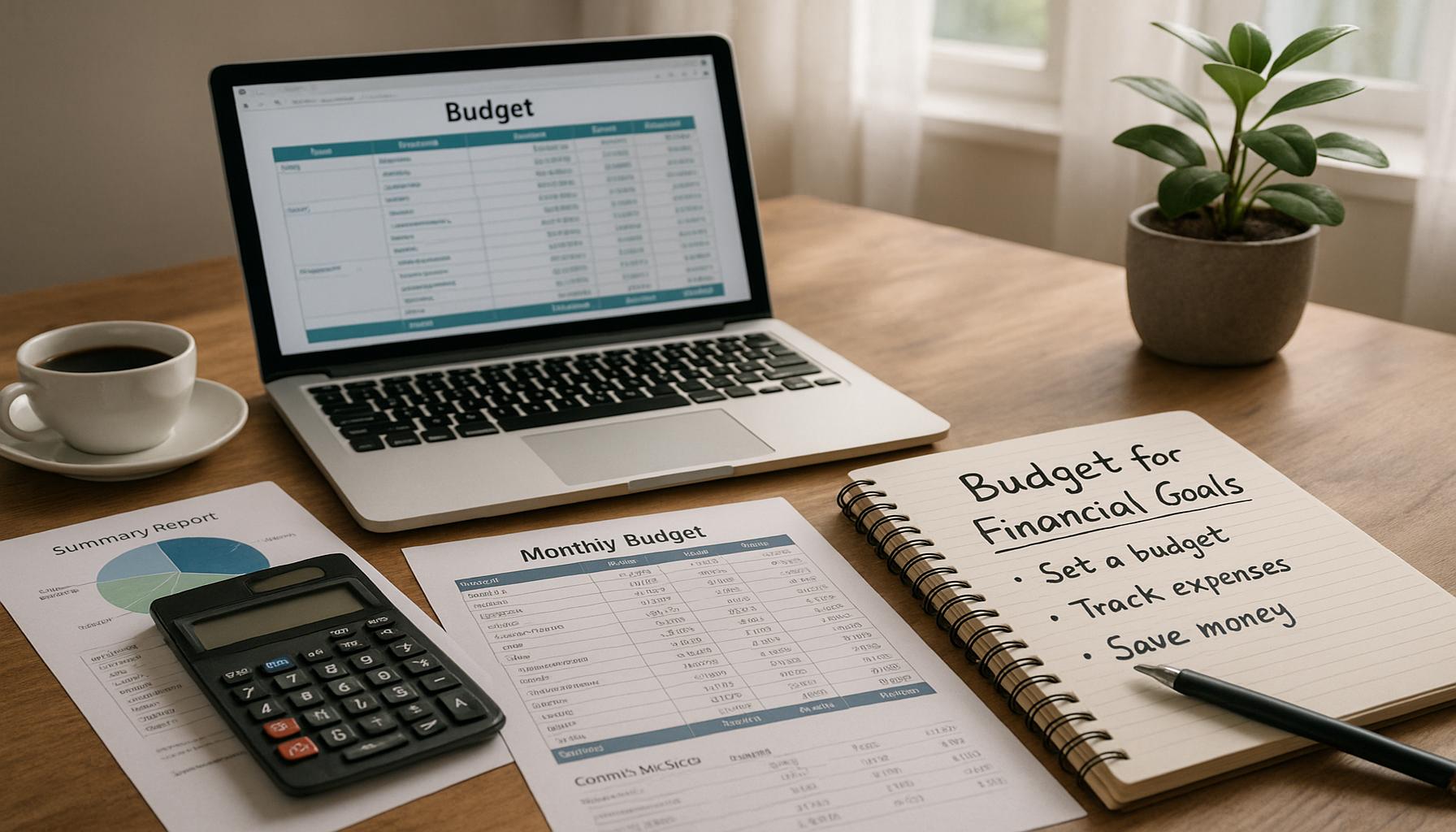
Creating a budget is one of the most fundamental steps towards achieving your financial goals. Whether you’re saving for a vacation, a new car, or an emergency fund, a well-planned budget can help you get there. It’s not just about tracking your spending; it’s about making informed decisions that align with your short-term desires and long-term aspirations.
Why is Budgeting Crucial?
Here are a few reasons why budgeting is crucial:
- Helps identify your financial priorities: A budget forces you to evaluate what matters most. By setting clear priorities, you can allocate your funds towards essential expenses and meaningful experiences. For instance, if travel is your passion, knowing where to cut back on dining out could free up cash for your next adventure.
- Encourages saving habits: Regular budgeting encourages a mindset focused on savings. By setting specific savings goals—such as putting aside $200 monthly for a home down payment—you create a concrete plan to reach your objectives. Over time, this can lead to significant financial growth and security.
- Aids in reducing unnecessary expenses: Budgeting provides clarity, allowing you to see where your money is being wasted. For example, after reviewing your budget, you may discover that you’re spending more than you realized on subscriptions and impulse purchases. This awareness can prompt you to make adjustments that free up funds for more important needs.
The Transformative Power of Budgeting
When you approach budgeting effectively, it transforms your financial landscape. You can actively see where your money is going, how much you can save, and what adjustments you might need to make. This visibility not only empowers you to take control of your financial future but also brings peace of mind. Knowing you have a plan can alleviate stress associated with financial uncertainty.
Key Components of an Effective Budget
Key components of an effective budget include:
- Your total income: Begin by calculating all sources of income, including salary, bonuses, and any side hustles. This gives you a clear picture of what you have to work with.
- Fixed expenses: These are recurring monthly costs like rent or mortgage payments, utilities, insurance, and loan payments. Knowing these amounts helps ensure you meet your obligations each month.
- Variable expenses: These costs fluctuate each month and include groceries, entertainment, and transportation. Tracking these expenses allows you to identify areas where you could cut back if needed.
- Savings and investments: Designating a portion of your income to savings and investments is crucial for long-term financial health. Aim for at least 20% of your income if possible—this could be into retirement accounts, a high-yield savings account, or other investment vehicles.
By understanding and applying these elements, you’ll be well on your way to achieving your financial goals. Budgeting may initially feel daunting, but with practice and patience, it can become second nature. Stay tuned as we dive deeper into crafting a budget that works specifically for you, transforming your financial health and future.
DISCOVER MORE: Click here to learn how to apply for the Chase Freedom Unlimited credit card
Steps to Create Your Budget
Creating an effective budget is a systematic process that requires careful consideration and planning. To transform your financial aspirations into reality, you should follow a few key steps. Understanding these steps will help ensure your budget is comprehensive and realistic enough to guide your financial decisions.
1. Calculate Your Total Income
The first step in developing a budget is to determine your total income. This includes your monthly salary after taxes, bonuses, freelance income, and any other streams of revenue you may have. It’s crucial to be accurate here as this figure forms the foundation for your budget. For instance, if you earn a monthly salary of $4,000 and receive an additional $500 from freelance work, your total income is $4,500.
2. Identify Your Fixed and Variable Expenses
Next, you must categorize your expenses into fixed and variable. Fixed expenses are those that remain constant each month, such as:
- Rent or mortgage payments
- Car payments
- Insurance premiums
- Utilities (if they are predictable)
Understanding these expenses helps you know what you must allocate each month for essential needs.
Variable expenses, on the other hand, can fluctuate from month to month. Examples include:
- Groceries
- Dining out
- Entertainment (such as movies or events)
- Clothing or personal care
By tracking these variable costs over time, you can get a better grasp of your spending habits, allowing for strategic cutbacks when necessary.
3. Set Clear Financial Goals
Establishing clear financial goals is essential in constructing a budget that works for you. Are you aiming to pay off debt, save for retirement, or put money aside for a dream vacation? By defining specific, measurable, achievable, relevant, and time-bound (SMART) goals, you create motivation to stick to your budget. For instance, if your goal is to save $5,000 for a vacation in one year, you should plan to save approximately $417 each month.
4. Allocate Funds Wisely
With a clear understanding of your income, expenses, and goals, you can begin allocating your funds. A common method is the 50/30/20 rule: allocate 50% of your income to needs, 30% to wants, and 20% to savings and debt repayment. This approach provides a balanced framework to ensure essential expenses are covered while still prioritizing savings for the future.
By following these initial steps, you will have laid a solid foundation for your budget. Creating a budget is not a one-time activity but rather an ongoing process that you should revisit regularly to adapt to changes in your income or lifestyle. Stay tuned as we continue to explore strategies for managing your budget effectively so that you can achieve your financial goals with confidence.
DISCOVER MORE: Click here to learn how to secure your personal loan
Strategies for Managing Your Budget
Once you have created a solid budget, the next step is managing it effectively. Staying consistent and making adjustments as necessary is key to remaining on track with your financial goals. Here are some practical strategies for managing your budget successfully:
1. Track Your Spending Regularly
Keeping a close eye on your spending is essential for sticking to your budget. You can track your expenses through simple methods such as keeping a diary, using budgeting apps, or monitoring bank statements. Set aside time each week or month to review your spending against your budget. This practice helps you identify areas where you may be overspending and enables you to make necessary adjustments early on. For instance, if you notice your dining-out expenses are consistently exceeding your budget, consider setting a limit or finding cheaper dining options.
2. Create an Emergency Fund
Life is unpredictable, and unforeseen expenses can arise at any moment. By establishing an emergency fund, you set aside money specifically for unexpected costs, which reduces the likelihood of derailing your budget. A common recommendation is to aim for three to six months’ worth of living expenses in this fund. This cash cushion will give you peace of mind and help you avoid falling into debt when emergencies occur.
3. Adjust Your Budget as Needed
Your financial situation can change over time due to employment changes, new family members, or unexpected expenses. Therefore, your budget should be viewed as a dynamic tool rather than a static document. If your income increases or decreases, or if you tackle a financial goal sooner than expected, revisit your budget and adjust your allocations accordingly. For instance, if you receive a raise, you might redirect a portion of your increased income toward your savings or debt repayment goals.
4. Implement the “Pay Yourself First” Strategy
A widely respected budgeting principle is the “pay yourself first” strategy. This means prioritizing your savings and investments before allocating funds to regular expenses. By treating your savings like a fixed expense—transferring a set amount into your savings account as soon as you receive your paycheck—you ensure that you are consistently working towards your financial objectives. This approach removes the temptation to spend what’s left over after managing your expenses.
5. Review and Adjust Your Goals Periodically
As you progress on your financial journey, it’s essential to review your goals regularly. Life circumstances and priorities can evolve, necessitating updates to your financial objectives. Schedule periodic check-ins—perhaps quarterly or bi-annually—to assess your progress. During these reviews, examine whether your goals still align with your personal aspirations and if your budget is effectively supporting those goals. This ongoing evaluation helps keep you motivated and focused.
Implementing these management strategies will ensure your budget remains effective and adaptable to economic and personal changes. Remember, creating a budget is just the beginning; actively engaging in the management of it can significantly enhance your path toward achieving your financial goals.
DIVE DEEPER: Click here to learn about stock investment fundamentals
Conclusion
In conclusion, creating an effective budget is a fundamental step toward achieving your financial goals and securing your financial future. By beginning with a clear understanding of your income and expenses, you lay the groundwork for a budget that aligns with your personal priorities and aspirations. It’s crucial to incorporate flexibility into your budget, recognizing that both personal circumstances and external economic factors can change over time.
As you actively manage your budget, employing strategies such as tracking your spending, establishing an emergency fund, and adjusting your financial goals periodically will enhance your financial wellness. The practice of paying yourself first ensures that savings become a non-negotiable part of your financial plan rather than an afterthought.
Budgeting is not merely about restricting your spending; it is about empowering yourself to make informed and conscious financial decisions. Whether you are looking to save for a home, pay off debt, or build an investment portfolio, a robust budget can serve as a powerful tool to help you navigate toward those goals. Remember that success in budgeting requires discipline, patience, and regular evaluation to keep your financial dreams within reach.
Ultimately, the effort you put into creating and managing your budget can lead to greater financial stability and peace of mind, enabling you to focus on what truly matters in life.

Linda Carter
Linda Carter is a writer and expert known for producing clear, engaging, and easy-to-understand content. With solid experience guiding people in achieving their goals, she shares valuable insights and practical guidance. Her mission is to support readers in making informed choices and achieving significant progress.