
Cybersecurity in the Banking Sector: Protecting Data and Consumer Trust
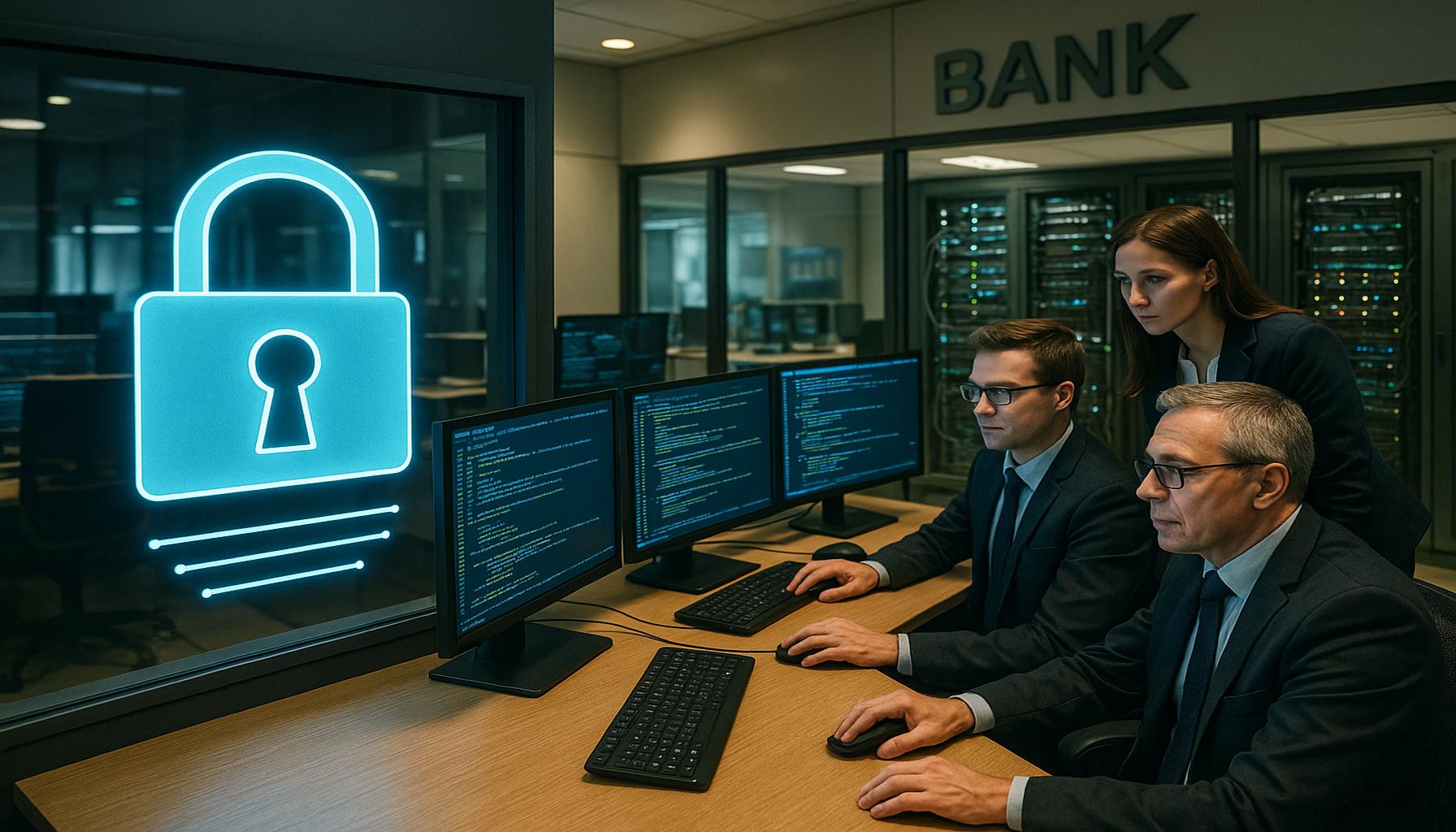
Understanding the Cybersecurity Landscape
In today’s digital environment, banks have become prime targets for cybercriminals. As they continue to adopt innovative technologies to enhance service delivery, such as mobile banking apps and online transactions, the need for stringent cybersecurity measures becomes increasingly critical. The ramifications of failing to safeguard sensitive information can be dire and multifaceted.
To illustrate the importance of these cybersecurity challenges, let’s delve deeper into some key points:
- Data Breaches: These unauthorized incursions can result in the exposure of personal information, ranging from social security numbers to credit card details. For example, high-profile breaches affecting major banks have led to the theft of millions of customer records, demonstrating the potential scale of such incidents.
- Consumer Trust: Trust is the cornerstone of the banking industry. Customers expect their banks to maintain the highest security standards. When breaches occur, as seen in recent cases, customer confidence can erode rapidly, leading to an immediate loss of business and long-term damage to the bank’s reputation.
- Financial Impact: The financial repercussions of a data breach can be monumental. Banks may face substantial legal fees, regulatory fines, and even loss of customers, resulting in a measurable decline in profits. According to recent studies, the average cost of a data breach in the financial sector can exceed several million dollars.
Given these risks, it is essential for banks to implement robust cybersecurity measures. Key strategies include:
- Advanced Encryption: This technology is crucial for safeguarding data both in transit and at rest. By utilizing strong encryption protocols, banks can ensure that even if data is intercepted, it remains unreadable to unauthorized users.
- Continuous Monitoring: The dynamic nature of cyber threats necessitates that banks invest in systems that can detect unusual activity in real time. For instance, anomaly detection can alert security teams to potentially malicious actions, allowing for swift action before significant damage occurs.
- Employee Training: Each employee plays a vital role in a bank’s cybersecurity framework. Conducting regular cyber awareness training helps staff recognize phishing attempts and other threats. For example, simulated phishing exercises can teach employees how to identify suspicious emails without compromising security.
By adopting these comprehensive practices and remaining vigilant, banks can create a resilient cybersecurity posture that not only protects their data but also reassures customers of their steadfast dedication to maintaining data integrity and fostering consumer confidence. In the following sections, we will further explore the ever-evolving importance of cybersecurity within the banking sector and examine the strategies essential for ensuring a secure financial environment.
DISCOVER MORE: Click here to find out how to apply
The Growing Threat of Cyberattacks
As banks increasingly bootstrap their operations on technology, the sophistication and prevalence of cyberattacks continue to escalate. Cybercriminals have developed a range of tactics to exploit vulnerabilities in banking systems, presenting significant challenges for security teams. Understanding these threats is essential for banks to effectively defend against them.
One of the most alarming trends is the rise of ransomware attacks. In these scenarios, cybercriminals invade a bank’s network and encrypt its data, rendering it inaccessible until a ransom is paid. The financial impact not only hinges on the ransom demand but also involves recovery costs, potential system downtimes, and the loss of customer trust. For instance, when a regional bank fell victim to a ransomware attack, customers experienced weeks of service outages, leading to mounting frustration and an eventual mass exodus of clients.
Additionally, the banking sector must contend with phishing scams. In these fraudulent schemes, attackers pose as legitimate entities—such as well-known banks or payment services—and trick individuals into disclosing personal information. These scams can be particularly damaging because they target the very customers that banks aim to protect. A single successful phishing attack can tarnish the bank’s reputation, compelling customers to question the bank’s digital safety.
Industry-Specific Cybersecurity Challenges
The unique operations of banks mean that they face specific cybersecurity challenges that may not be as prevalent in other sectors. One significant concern is the sheer volume of sensitive data that banks manage. Daily transactions, account statements, and credit histories are just a few examples of the detailed information that banks process. Without strong security measures in place, this treasure trove of data could become the target of cyber thieves.
Another challenge is regulatory compliance. The banking industry is subject to stringent regulations, such as the Gramm-Leach-Bliley Act (GLBA) and the Payment Card Industry Data Security Standard (PCI DSS). Non-compliance with these regulations not only jeopardizes customer data but also puts banks at risk of hefty fines and legal repercussions. For example, if a bank fails to report a breach in a timely manner as mandated by the GLBA, it could face severe penalties that would further damage its financial standing.
- Increased Attack Surface: With more services being digitized, banks are not only exposing their own systems to threats but also creating vulnerabilities in third-party services they rely on, such as cloud providers and payment processors.
- Insider Threats: Employees—whether dissatisfied workers or unwitting collaborators—can inadvertently become entry points for cyberattacks, emphasizing the importance of internal security measures.
- Fast-Evolving Threat Landscape: The rapid development of new technologies, including artificial intelligence and machine learning tools, can be double-edged swords; while they enhance operations, they also provide attackers with new tools and methods for breaching security.
Given these unique challenges, it is vital for banks to stay ahead of the curve when it comes to cybersecurity. The stakes are high, and protecting sensitive data is not just a regulatory obligation but a core component of building and maintaining consumer trust. The next section will delve into the multi-layered defenses that can help safeguard banks against these evolving cybersecurity threats.
DISCOVER MORE: Click here to learn about the fintech revolution
Building Robust Cybersecurity Frameworks
To counter an ever-evolving array of cybersecurity threats, banks must adopt comprehensive and multi-layered cybersecurity frameworks. These frameworks not only safeguard their own data but also help maintain the trust of consumers who rely on secure banking services. A combination of advanced technology, employee training, and regulatory compliance plays a crucial role in creating a resilient defense against cyberattacks.
Advanced Encryption Techniques are crucial in protecting sensitive information that banks manage. Encryption transforms readable data into an unreadable format, which can only be decrypted by authorized personnel. For instance, when a customer performs an online transaction, their personal and financial details are encrypted, ensuring that even if data is intercepted, it remains unintelligible to cybercriminals. Such robust encryption practices are not just optional; they are vital components of a bank’s cybersecurity strategy.
In addition to encryption, banks need to implement multi-factor authentication (MFA). MFA adds an additional layer of security by requiring users to provide two or more verification factors before accessing their accounts. For example, after entering a password, a customer might receive a text message with a code to verify their identity. This makes it significantly more challenging for unauthorized users to gain access, even if they have obtained the password through phishing schemes.
Employee Training and Awareness
While advanced technologies are vital, the human element is equally important in combating cyber threats. Regular employee training on cybersecurity best practices can significantly reduce the likelihood of successful attacks. Employees should be well-versed in recognizing phishing emails, understanding the importance of strong passwords, and knowing how to report suspicious activity. A bank in California experienced a substantial reduction in security breaches after implementing routine cybersecurity training, making employees proactive rather than reactive in their approach to security.
Moreover, banks must cultivate a culture of security awareness. This culture encourages employees to think critically about their cybersecurity practices and fosters an environment where they feel empowered to report potential vulnerabilities. Engaging employees through simulated phishing attacks can help gauge their awareness levels and reinforce learning in a practical way.
Collaboration and Information Sharing
Collaboration among financial institutions can significantly enhance cybersecurity efforts. By sharing threat intelligence and collaborating on countermeasures, banks can better prepare for attacks. Initiatives like the Financial Services Information Sharing and Analysis Center (FS-ISAC) facilitate communication between institutions, allowing them to share information about emerging threats and best practices for mitigation. For example, when a large bank encountered a new type of malware, it quickly shared its findings with its industry peers, enabling them to implement defensive strategies before they faced similar attacks.
Regulatory compliance remains a priority in the banking sector, mandating not just adherence to laws but also fostering proactive cybersecurity practices. Banks should consider compliance as a foundation for their security initiatives; by meeting or exceeding regulatory standards, they are potentially shielding themselves from monetary penalties and reputational damage.
Overall, the task of defending against cyber threats in the banking sector is complex and continuously evolving. As cybercriminals refine their tactics, banks must remain vigilant and adaptable, ensuring that their cybersecurity frameworks are resilient enough to protect valuable data while upholding consumer trust. The following section will highlight the role of technology in enhancing banking security, including the implementation of artificial intelligence and machine learning-based solutions.
LEARN MORE: Click here to discover how to equip your kids with money management
Conclusion
In today’s digital landscape, the banking sector faces an array of complex cybersecurity threats that can impact customer trust and financial stability. As banks increasingly rely on digital banking services to facilitate transactions, it becomes crucial to securely protect sensitive customer data. This is where the implementation of a strong cybersecurity strategy becomes indispensable. Banks must take proactive measures to defend against breaches that can lead to identity theft and significant financial loss. For example, implementing encryption techniques ensures that even if data is intercepted, it remains unreadable without the proper decryption key.
Another essential component is multi-factor authentication. This method adds an extra layer of security by requiring users to verify their identity using at least two different factors, such as a password combined with a text message confirmation or a biometric scan. Such measures significantly reduce the likelihood of unauthorized access, thereby enhancing overall security.
Beyond technology, it’s vital that banks invest in robust employee training. Employees are often the first line of defense against cyber threats, and comprehensive training on detecting phishing attempts and adhering to security protocols is crucial. For instance, simulated phishing exercises can help familiarize staff with common tactics used by cybercriminals.
Collaboration across the industry is also vital for collective security. Initiatives like the Financial Services Information Sharing and Analysis Center (FS-ISAC) facilitate the sharing of valuable insights and strategies among banks, helping them to develop a unified defensive stance against evolving cyber threats. By pooling resources and information, banks can enhance their preparedness and responsiveness, minimizing the risks posed by cyber attackers.
Additionally, maintaining compliance with regulatory standards is essential. Regulatory frameworks not only guide banks in establishing strong security protocols but also build consumer confidence through demonstrated commitment to data protection. Non-compliance can result in hefty fines, which makes adherence both a protective measure and a financial imperative.
Looking toward the future, banks must adopt a proactive and adaptable cybersecurity posture. This vigilance not only secures financial data but also fortifies the bond of trust between banks and their customers. By investing in a heightened state of cyber resilience today, financial institutions can create a safer banking environment for the future. Consequently, customers can engage in transactions with increasing peace of mind, knowing their information is securely protected.

Linda Carter
Linda Carter is a writer and expert known for producing clear, engaging, and easy-to-understand content. With solid experience guiding people in achieving their goals, she shares valuable insights and practical guidance. Her mission is to support readers in making informed choices and achieving significant progress.