
Banking Security in Times of Cyberattacks: Measures and Challenges for Financial Institutions
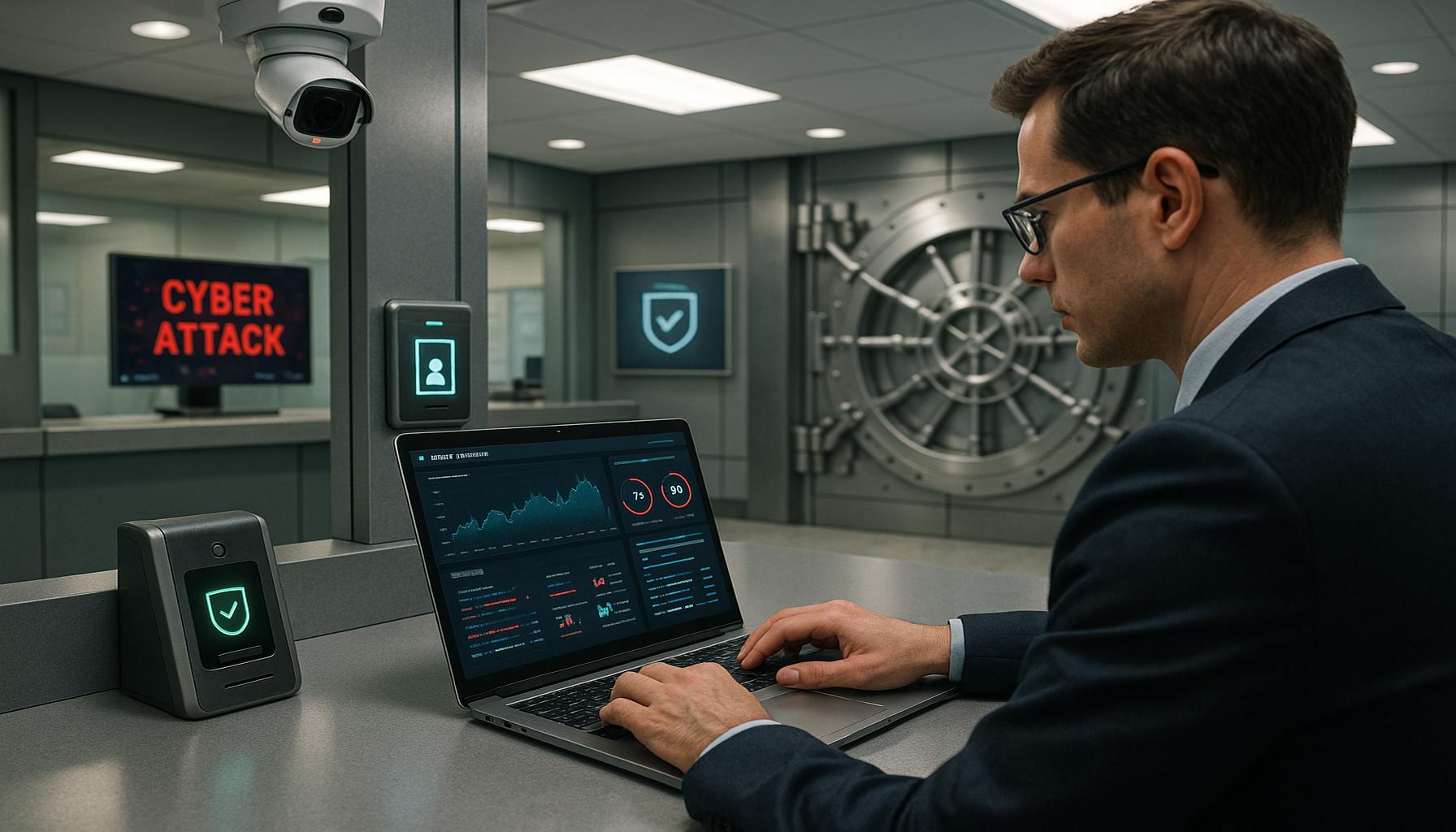
Understanding the Challenges and Strategies in Bank Cybersecurity
The banking sector operates at the intersection of innovation and security. As banking technologies advance with mobile apps, online banking, and artificial intelligence, the shadow of cyber threats looms larger than ever. Ensuring the security of sensitive financial data has become a non-negotiable aspect of modern banking, crucial not only for compliance with laws but also for retaining the trust of customers who entrust their hard-earned money to financial institutions.
Financial institutions encounter a variety of challenges in the realm of cybersecurity. Among these, the increased frequency of attacks stands out. Cybercriminals are becoming more adept, employing complex strategies to breach security systems. For instance, ransomware attacks, which lock users out of their systems until a ransom is paid, have surged, with many banks faced with tough choices on whether to pay to regain access to their data.
Moreover, the global interconnectedness of financial systems poses another significant threat. A single breach in one organization can ripple through various banks across the globe, impacting the entire network of financial transactions. For example, the 2016 Bangladesh Bank heist is a stark reminder of how vulnerabilities in one bank can endanger many others, leading to massive financial losses and increased scrutiny from regulators.
In addition to internal threats, adhering to regulatory requirements adds a layer of complexity. Financial institutions in the United States must comply with stringent protocols like the Payment Card Industry Data Security Standard (PCI DSS) and the Gramm-Leach-Bliley Act (GLBA). Non-compliance can result in hefty fines and legal repercussions, further emphasizing the importance of robust cybersecurity measures.
Effective Measures for Cybersecurity
To counter these challenges, banks are adopting a variety of advanced measures. One critical strategy is the implementation of advanced encryption. This technology safeguards sensitive data, ensuring that information is unreadable without the proper credentials. For example, when customers make transactions online, their details are encrypted, making it much harder for cybercriminals to intercept crucial data like credit card numbers.
Multi-factor authentication is also playing a pivotal role in securing accounts. By requiring multiple forms of verification before granting access—such as a password and a unique code sent to a user’s phone—banks create additional hurdles for potential intruders. This method significantly reduces the likelihood of unauthorized access, giving customers peace of mind when accessing their accounts.
In addition, having robust incident response plans is essential. These plans outline the steps that banks must take when a cyber incident occurs, allowing for quick and decisive action to minimize damage. Training staff on these protocols can make a significant difference; for instance, regular drills and simulations help ensure that everyone knows their role in a crisis, leading to more effective management of incidents when they occur.
As we delve deeper into the various measures and challenges in banking cybersecurity, it becomes clear that proactive strategies are crucial. Financial institutions must continually evolve their security practices to keep up with the rapidly changing threat landscape. By doing so, they not only protect their operations but also uphold the trust and confidence of their customers in a digital age filled with uncertainties.
DISCOVER MORE: Click here to learn how to apply for the Banana Republic Rewards Mastercard
Current Cybersecurity Landscape in Banking
The banking industry is grappling with an ever-evolving landscape of cybersecurity threats. In recent years, the digital transformation of financial services has introduced numerous benefits, from enhanced customer experiences to improved operational efficiency. However, along with these advancements come new vulnerabilities that cybercriminals actively seek to exploit. Banks face a dual challenge: staying at the forefront of innovation while safeguarding their operations against multifaceted cyber threats.
A report from the Federal Bureau of Investigation (FBI) revealed that cyberattacks on financial institutions have increased by over 300% in the past few years. This alarming statistic underscores the need for financial institutions to prioritize cybersecurity as a fundamental component of their business strategy. With hackers employing advanced tools and methods, the stakes have never been higher for safeguarding sensitive customer data, financial assets, and institutional reputation.
Among the myriad of threats that banks face, the following stand out as particularly concerning:
- Phishing Attacks: Cybercriminals often use deceptive emails or websites to trick customers into revealing personal information, such as passwords or account numbers. These attacks have become increasingly sophisticated, making users more likely to fall victim.
- Ransomware: This type of attack involves encrypting a bank’s data and demanding payment for decryption. Such incidents not only compromise data security but also disrupt banking operations.
- Distributed Denial of Service (DDoS) Attacks: By overwhelming a bank’s servers with traffic, attackers can disable online services, hindering customer access to banking resources and creating significant operational challenges.
Furthermore, the rise of digital currencies and blockchain technology has introduced another layer of complexity to the banking cybersecurity landscape. While these technologies offer innovative solutions for transactions and data management, they also present unique risks that financial institutions must navigate. As they embrace alternative payment methods and decentralized finance (DeFi), banks must ensure that adequate security measures are in place to mitigate potential threats.
Another critical aspect of banking cybersecurity lies in the ongoing pursuit of regulatory compliance. Various federal regulations designed to protect consumer data—such as the Gramm-Leach-Bliley Act (GLBA) and the Bank Secrecy Act (BSA)—require financial institutions to implement stringent security measures. Non-compliance can lead to severe penalties, increased scrutiny from regulators, and reputational damage. Thus, banks must not only integrate advanced cybersecurity technologies but also develop comprehensive policies that align with regulatory standards.
As cybersecurity threats continue to challenge the banking industry, it is imperative for financial institutions to adopt a dynamic and forward-thinking approach to security. Regularly updating their systems, investing in advanced technology, and providing continuous training for employees are crucial steps in building a resilient cybersecurity framework. Ultimately, a proactive stance can significantly enhance a bank’s ability to defend against cyberattacks and fortify customer trust in an increasingly digital world.
DISCOVER MORE: Click here for all the details
Proactive Measures to Enhance Cybersecurity in Banking
In the face of increasing cyber threats, financial institutions must adopt a multi-layered cybersecurity strategy that encompasses not only technology but also organizational culture and employee engagement. Banks are beginning to recognize that technology alone is not a silver bullet; rather, a comprehensive security model that combines technology, processes, and people is vital for effective defense against cyberattacks.
One of the most important measures is the implementation of advanced threat detection systems. Such systems leverage artificial intelligence (AI) and machine learning (ML) to analyze user behavior and detect anomalies that could indicate a security breach. These tools can monitor transactions in real-time, enabling banks to respond swiftly and minimize potential damage. For instance, if a customer’s account suddenly experiences unusual access patterns, the system can alert security teams and temporarily freeze the account until further investigation takes place.
Another key component of a robust cybersecurity framework is regular security training for employees. Human error remains one of the weakest links in cybersecurity. Employees need to be educated about the latest cyber threats, phishing scams, and best practices for safeguarding sensitive information. For example, conducting regular simulated phishing attacks can help employees recognize and avoid falling for real threats. When staff members are well-informed, they are more likely to be vigilant and act as a first line of defense against potential cyber incidents.
Moreover, collaboration and information sharing with industry peers and governmental agencies can significantly enhance a bank’s ability to combat cyber threats. Financial institutions can benefit from participating in industry forums and working groups that focus on sharing threat intelligence and best practices. Organizations like the Financial Services Information Sharing and Analysis Center (FS-ISAC) serve as platforms where banks can share information regarding vulnerabilities, attack patterns, and emerging threats, ultimately fostering a more secure banking environment.
Additionally, banks must routinely perform comprehensive security assessments and penetration testing to identify weaknesses in their systems. By simulating cyberattacks, financial institutions can better understand their vulnerabilities and take proactive steps to seal potential gaps. This ongoing process of evaluation is essential for adapting to new threats as they emerge, especially as technology rapidly evolves.
Implementing multi-factor authentication (MFA) is another effective strategy that adds an extra layer of security, making it more difficult for criminals to gain unauthorized access to customer accounts. MFA requires users to provide two or more verification factors to access their accounts, significantly reducing the risk of fraud. For example, even if a cybercriminal steals a customer’s password, they would still need a second factor—such as a one-time code sent to the customer’s mobile device—to successfully access the account.
Despite these proactive measures, challenges remain. Financial institutions often deal with budget constraints and the complex nature of integrating new technologies with legacy systems. Balancing the need for innovation with robust security measures can be a daunting task. Furthermore, as cyber threats continue to evolve, banks must stay agile and adaptable, continuously reassessing and enhancing security protocols to keep pace with the dynamic threat landscape.
DISCOVER MORE: Click here for detailed guidance
Conclusion
As we navigate a world increasingly shaped by technology, the significance of robust banking security cannot be emphasized enough. Cyberattacks have become more sophisticated, which means financial institutions need to adapt their approaches to cybersecurity. It is essential to understand that cybersecurity is not just a technical challenge; it intertwines with the very fabric of an organization—including its personnel, processes, and culture. A comprehensive strategy can involve a variety of practices aimed at building a strong defense against digital threats.
One effective measure is the implementation of advanced threat detection systems. These systems can identify suspicious patterns and potentially harmful activities in real-time, allowing banks to respond swiftly. For instance, if a bank notices an unusual spike in transactions from a single IP address, it can trigger an automatic alert for further investigation. Additionally, prioritizing employee training is equally critical. By equipping staff with the knowledge to recognize phishing attempts or social engineering tactics, banks can create a first line of defense that is both informed and vigilant.
Moreover, collaboration with industry peers can foster a community approach to security. Information sharing about threats and strategies can lead to a proactive stance against cybercriminals. For example, initiatives like the Financial Services Information Sharing and Analysis Center (FS-ISAC) enable banks to share intelligence about emerging threats, thereby enhancing overall security.
Routine security assessments also play a vital role in identifying vulnerabilities before they are exploited. By regularly reviewing and updating their systems, banks can stay ahead of potential risks. Coupled with the adoption of multi-factor authentication, which adds an additional layer of security, institutions can significantly reduce their exposure to unauthorized access. This is particularly important in today’s world, where breaches can not only compromise financial information but also severely damage a bank’s reputation.
However, financial institutions face challenges, such as budgetary constraints and the complexity of integrating new technologies with existing legacy systems. Additionally, the rapidly changing landscape of cyber threats demands that banks remain agile. They need to continuously evaluate and refine their security protocols to address new tactics employed by cybercriminals.
In conclusion, a proactive and adaptive cybersecurity strategy is the cornerstone of protecting both assets and customer information. It’s essential for banks to remain vigilant and not become complacent. By fostering a culture of awareness, investing in training, and implementing robust systems, they can enhance their defenses. Ultimately, these efforts not only safeguard operations but also maintain public trust in the financial system, creating a safer and more secure banking environment for everyone involved.

Linda Carter
Linda Carter is a writer and expert known for producing clear, engaging, and easy-to-understand content. With solid experience guiding people in achieving their goals, she shares valuable insights and practical guidance. Her mission is to support readers in making informed choices and achieving significant progress.