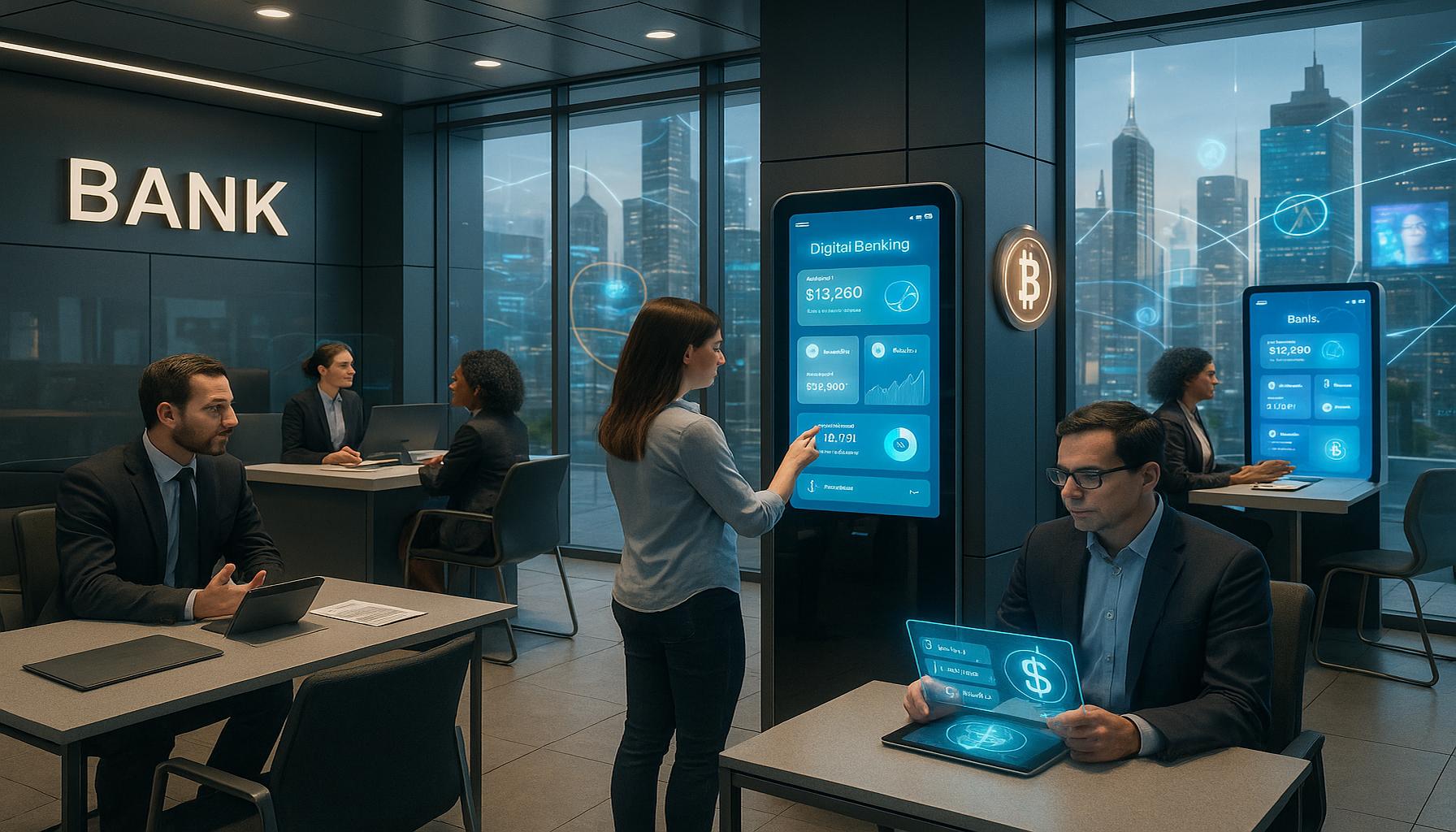
The Evolution of Customer Experience in Banks: Trends and Innovations
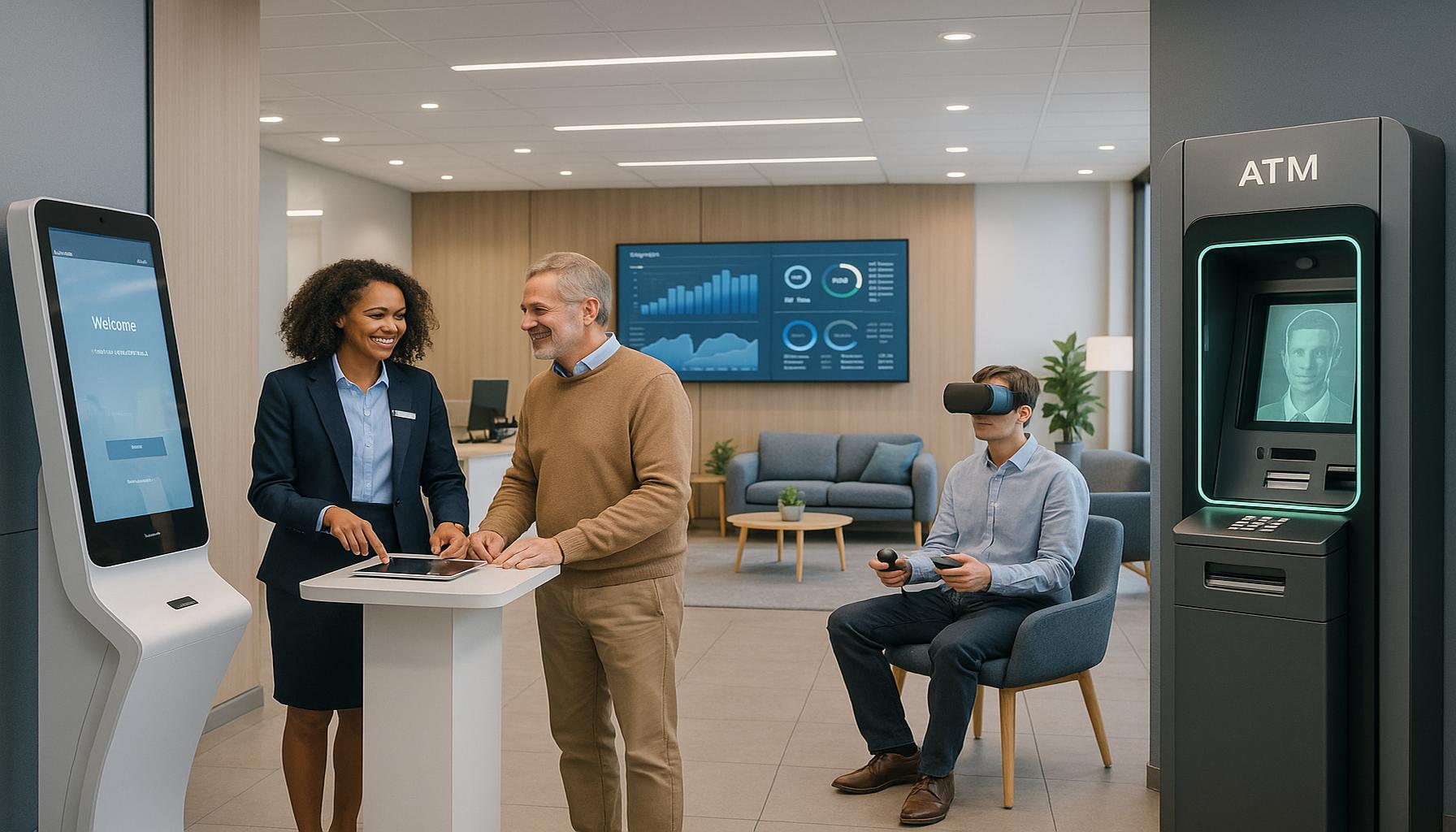
The Evolution of Customer Experience in Banking
Over the decades, the banking industry has seen remarkable transformations, primarily driven by a pivotal focus on enhancing the customer experience (CX). As technology continues to advance, customer expectations have significantly shifted, compelling banks to adapt and innovate at an unprecedented pace.
Today’s banking customers are looking for a harmonious blend of convenience, personalization, and accessibility. Key trends that influence CX within the banking sector include:
- Digital Banking Solutions: The rise of mobile banking applications and online platforms has revolutionized how customers conduct daily banking tasks. For instance, customers can easily transfer funds, pay bills, and check balances from their smartphones without visiting a physical branch. This newfound convenience addresses the growing demand for banking services that fit into busy lifestyles.
- Personalization: Financial institutions leverage customer data to tailor their services and offerings. By analyzing customer behavior and preferences, banks can provide personalized recommendations, such as targeted loan options or investment advice based on an individual’s financial history. This level of customization not only improves customer engagement but also increases satisfaction and loyalty.
- Omni-channel Experiences: In today’s interconnected world, customers expect seamless interactions across various platforms, such as mobile apps, websites, and in-branch services. The ability to switch between these channels without losing track of transactions or conversations offers customers flexibility and ease, catering to their unique preferences.
In addition to these trends, cutting-edge innovations like artificial intelligence (AI) and blockchain technology are reconfiguring traditional banking operations. AI can assist banks in providing rapid customer support through chatbots, which are available 24/7 and can handle a myriad of customer inquiries. Meanwhile, blockchain ensures enhanced security and improves transparency in transactions, fostering trust between banks and customers.
As we explore the evolution of customer experience in banking, it is essential to comprehend how these trends and innovations impact both customers and financial institutions. The future of banking transcends mere transactions; it strives to create meaningful relationships with customers. With a wealth of options available, banks that prioritize CX can distinguish themselves in a competitive market, ultimately leading to improved customer retention and growth.
In summary, effective customer experience in banking today hinges on technology-driven solutions, personalized interactions, and a commitment to providing seamless services. By embracing these key trends, banks can not only meet but exceed customer expectations, laying a foundation for long-lasting relationships built on trust and satisfaction.
DIVE DEEPER: Click here for essential stock investment tips
Key Trends Shaping Customer Experience in Banking
The banking industry is currently in the midst of a significant transformation, with customer experience at the heart of this evolution. As we delve deeper into the trends shaping this sector, it becomes evident that banks must not only respond to customer demands but also anticipate future expectations. Here, we will explore some pivotal trends that are fundamentally altering how banks interact with their customers and deliver their services.
1. Digital Banking Solutions
One of the most significant shifts in customer experience has been the advent of digital banking solutions. With the rise of mobile phones and high-speed internet, banking services are no longer confined to brick-and-mortar branches. Now, customers can manage their finances with just a few taps on their smartphones. Tasks such as checking account balances, transferring money, and depositing checks are streamlined through user-friendly applications.
- Convenience: Customers can conduct banking transactions anytime and anywhere, eliminating the need to wait in long lines or adhere to branch hours.
- Enhanced Security: Features like biometric authentication (such as fingerprint or facial recognition) and two-factor authentication provide peace of mind for users, ensuring that their sensitive information is protected.
- Instant Access: Digital solutions can provide real-time notifications for transactions, helping customers stay informed and in control of their finances.
2. Personalization Through Data Analytics
Another trend reshaping customer experience in banks is the use of data analytics to provide more personalized services. Banks are leveraging the vast amounts of data they collect to understand customer behavior and preferences at a granular level. For instance, by analyzing spending patterns, banks can send tailored offers that are relevant to each individual’s financial situation.
- Customized Services: By understanding customers’ financial habits, banks can offer targeted products such as personalized savings plans or investment recommendations that align with their goals.
- Proactive Customer Support: Data insights allow banks to anticipate customer needs and address potential issues before they arise, enhancing overall satisfaction and loyalty.
- Behavioral Insights: With advanced analytics, banks can create personalized experiences that reflect a customer’s journey with the institution, fostering a deeper connection.
3. Omni-channel Customer Experiences
As consumers juggle multiple devices and platforms, the demand for omni-channel customer experiences has surged. Customers expect a seamless transition between different channels, whether they are engaging with a bank via mobile app, website, or in person at a branch. This expectation has prompted banks to integrate their services across various platforms.
- Unified Communication: Customers can initiate a conversation or transaction on one channel and effortlessly switch to another without losing context, providing a fluid and efficient experience.
- Consistent Branding and Messaging: Regardless of how or where customers interact with the bank, messages and services should maintain uniformity, reinforcing trust and familiarity.
- Improved Customer Engagement: Omni-channel strategies allow banks to engage customers in more meaningful ways, presenting offers or solutions at the right time and through their preferred channels.
Understanding these trends is crucial for banks aiming to enhance their customer experience in a competitive digital landscape. By embracing digital solutions, personalizing services, and ensuring seamless omni-channel interactions, financial institutions can cultivate strong relationships with their customers, which is essential for retention and growth.
DIVE DEEPER: Click here to learn about the fintech revolution
Innovations Revolutionizing Customer Experience
As the banking sector adapts to the evolving needs of consumers, several innovations are emerging that significantly enhance customer experience. These technological advancements not only streamline processes but also create dynamic interactions that foster customer trust and satisfaction. Below, we explore some key innovations that are reshaping how banks engage with their clientele.
1. Artificial Intelligence and Chatbots
Artificial intelligence (AI) has become a cornerstone in the banking industry, with chatbots leading the way in transforming customer interactions. These intelligent systems can handle numerous inquiries simultaneously, providing instant responses to customer questions at any hour of the day.
- 24/7 Accessibility: Chatbots ensure that customers can receive assistance outside traditional banking hours, catering to those who may need help after work or during weekends.
- Efficient Problem Resolution: By utilizing machine learning, AI chatbots can quickly resolve common issues by guiding users through troubleshooting steps or providing relevant information.
- Cost Savings: Automating customer service interactions reduces operational costs for banks, allowing them to reallocate resources toward enhancing customer experience.
2. Blockchain Technology
Blockchain has garnered attention beyond cryptocurrencies, driving innovation in the banking sector as well. This decentralized ledger technology enhances security and transparency across transactions, thereby improving customer trust.
- Secure Transactions: Customers can have peace of mind knowing that their transactions are securely encrypted, reducing the risk of fraud and unauthorized access.
- Faster Transactions: Blockchain technology facilitates rapid cross-border transactions without the need for traditional intermediaries, offering customers a more efficient banking experience.
- Smart Contracts: These self-executing contracts automate processes like loan agreements or insurance claims, further minimizing the need for human intervention and expediting services for customers.
3. Voice Banking
Another innovative trend making waves in customer experience is voice banking. This technology enables customers to perform transactions and access information using voice commands through smart devices.
- Hands-Free Convenience: Customers can manage their banking tasks while multitasking, such as cooking or driving, making the process more user-friendly.
- Increased Accessibility: Voice banking is particularly beneficial for those with disabilities or visual impairments, ensuring that banking services are inclusive for all customers.
- Natural Interaction: Conversational interfaces create a more intuitive experience, allowing customers to interact with their bank in a way that feels familiar and comfortable.
4. Enhanced Cybersecurity Measures
As banking becomes more digital, the importance of cybersecurity cannot be overstated. Financial institutions are investing in advanced security measures to protect customer data and maintain trust.
- Advanced Encryption: Banks are employing state-of-the-art encryption techniques to safeguard sensitive information from unauthorized access.
- Fraud Detection Systems: Utilizing AI and machine learning, banks can analyze transaction patterns in real time, quickly identifying and flagging suspicious activities.
- Client Education: Many banks are now providing resources and training on how customers can protect themselves against fraud, further strengthening the relationship and trust between banks and their clients.
As these innovations continue to unfold, they play a crucial role in enhancing customer experience. With AI chatbots, blockchain technology, voice banking, and fortified cybersecurity measures, banks are not only meeting current expectations but are also paving the way for a more personalized and secure banking experience in the future.
DISCOVER MORE: Click here to learn about sustainable investment strategies
Conclusion
In the rapidly evolving landscape of banking, the customer experience has transformed dramatically thanks to advances in technology and changing consumer expectations. Today, banks are no longer just financial institutions; they are customer-centric service providers that embrace innovation to build lasting relationships with their clients. From the emergence of AI-driven chatbots that enable instant support, to blockchain technology that enhances security and trust, these trends have revolutionized how banks operate and engage with their customers.
Moreover, the integration of voice banking offers a new level of convenience and accessibility, allowing customers to interact in ways that fit seamlessly into their daily lives. The continual emphasis on cybersecurity demonstrates a commitment to safeguarding consumer data, reinforcing the trust that is essential in the banking sector. Banks are not only recognizing the importance of technology but also prioritizing a personalized, user-friendly experience that reflects the unique needs of each customer.
As we look to the future, it is clear that the evolution of customer experience in banking will continue to be driven by innovation and adaptability. Financial institutions must remain attentive to emerging trends and embrace new technologies to stay competitive. By doing so, they can create a banking experience that is not only efficient and secure but also enriching and engaging, ultimately fostering loyalty and long-term success in an ever-changing marketplace.

Linda Carter
Linda Carter is a writer and expert known for producing clear, engaging, and easy-to-understand content. With solid experience guiding people in achieving their goals, she shares valuable insights and practical guidance. Her mission is to support readers in making informed choices and achieving significant progress.