
Analysis of Sustainability in Investments: The Growth of the Green Market
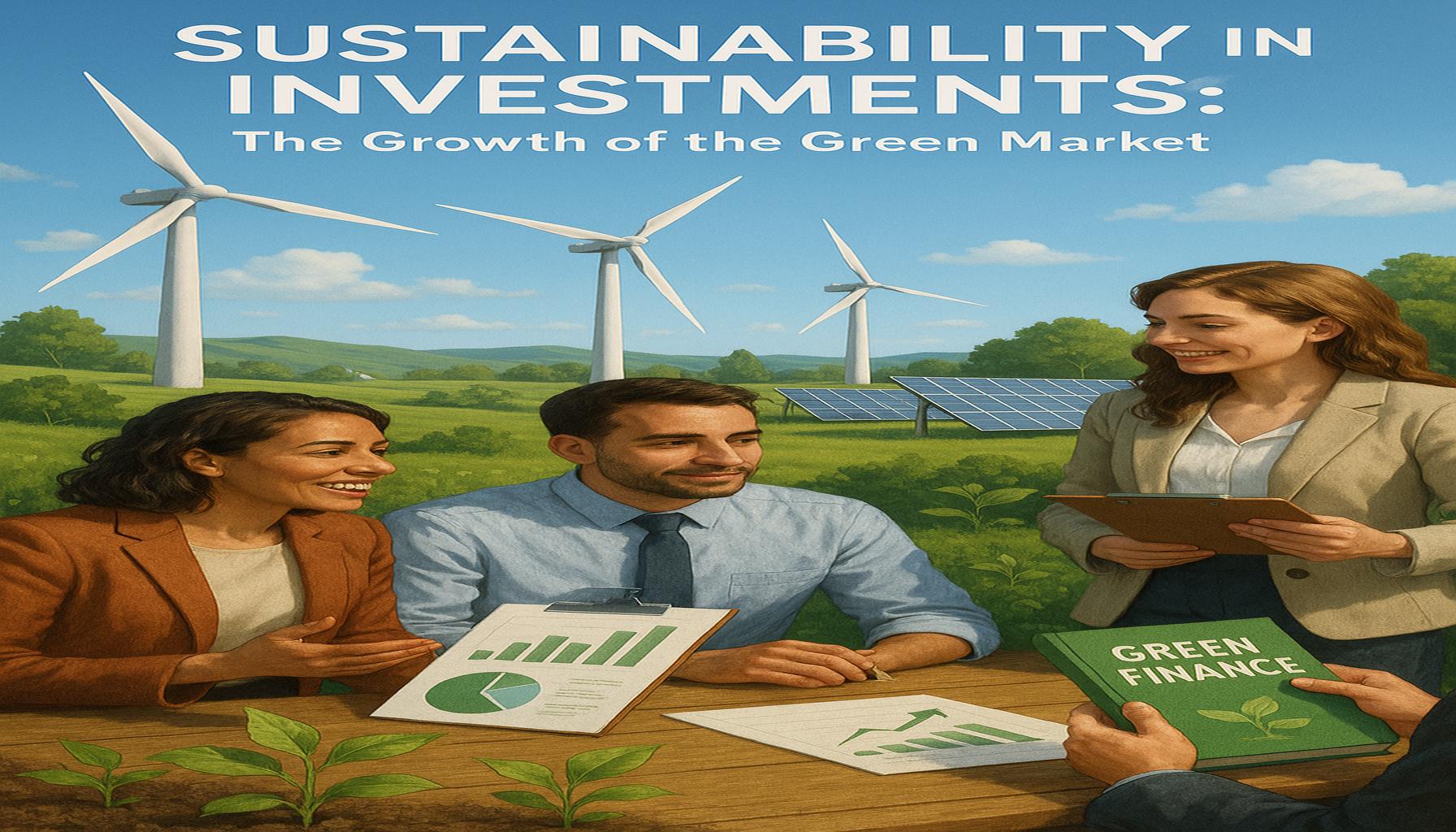
The Shift Towards Sustainable Investments
In recent years, the investment landscape has transformed significantly, as a growing awareness of environmental issues prompts a shift in how investors approach their portfolios. Increasingly, sustainability is not seen just as an ethical choice but as a crucial factor in investment decision-making. This change is not merely a current fad; it indicates a fundamental reevaluation of traditional investment strategies.
Several key factors have fueled the rise of the green market:
- Increased Awareness: More consumers and investors are becoming informed about climate change and its impacts. Documentaries, scientific studies, and media coverage have elevated public consciousness about issues such as fossil fuel depletion, deforestation, and their detrimental effects on future generations.
- Regulatory Support: Governments around the world, including the United States, are introducing policies that promote sustainable practices. For instance, the Biden Administration has set ambitious targets to achieve net-zero emissions by 2050, and with that comes a range of incentives for companies to adopt greener practices. This regulatory framework creates a conducive environment for sustainable investments.
- Financial Performance: Contrary to the long-held belief that ethical investments compromise returns, emerging data indicates that sustainable investments can yield competitive returns. Companies that prioritize sustainability often enjoy enhanced operational efficiencies, lower costs, and better risk management, which can translate into improved financial performance. For example, studies have shown that firms with strong ESG scores often outperform their peers in the stock market.
As a result, investors are actively seeking opportunities that align with environmental, social, and governance (ESG) criteria. Some notable examples of sustainable investment approaches include:
- Renewable Energy: This sector encompasses investments in solar, wind, and other alternative energy sources. A practical example would be companies like NextEra Energy, which invests heavily in solar and wind projects.
- Sustainable Agriculture: This includes initiatives that promote eco-friendly farming practices. For instance, companies that utilize organic farming methods or innovative technologies to reduce chemical usage can attract environmentally-conscious investors.
- Green Bonds: These are fixed-income securities aimed at funding projects with positive environmental impacts. For example, in 2020, Apple issued green bonds to support their commitment to sustainability by financing projects that reduce carbon emissions.
In conclusion, the dynamics of sustainability in investments are reshaping how investors allocate their funds. The rise in environmental awareness, supportive regulatory frameworks, and evidence of comparable financial returns are driving this trend. As such, the green market not only presents opportunities for profit but also for making a meaningful impact on the planet. With this understanding, savvy investors are stepping up to support sustainable initiatives, leveraging the potential of their portfolios to foster a healthier, more sustainable future.
DIVE DEEPER: Click here to discover the latest insights
Understanding the Green Market and Its Impact
The green market, often referred to as the sustainable investment market, represents an increasingly important segment of the financial landscape. This market focuses primarily on investments that are environmentally friendly and socially responsible. As we delve deeper into the green market, it is essential to understand how these investments work, their potential returns, and the broader impact they may have on our society and planet.
At its core, the green market is driven by a growing recognition that businesses can—and should—be stewards of the environment. Investors are becoming more discerning, seeking not just financial returns but also alignment with their personal values. This shift can be viewed through the lens of several key components that characterize the green market:
- Environmental, Social, and Governance (ESG) Criteria: The ESG framework is a foundational element of sustainable investments. It enables investors to evaluate a company’s behavior in terms of its environmental impact, its social responsibility, and its governance practices. For instance, a company with strong environmental credentials might reduce waste, limit carbon emissions, or actively conserve resources. By incorporating ESG criteria, investors can choose to support companies that align with their values while aiming for profit.
- Impact Investing: This approach goes beyond traditional investing by focusing on generating measurable social and environmental impact alongside financial returns. For example, an investor may choose to fund a community solar project that both supports clean energy generation and provides low-cost electricity to underserved populations. This type of investment not only supports the environment but also uplifts communities in need.
- Divestment from Fossil Fuels: A significant trend within the green market is the divestment movement, where many institutional investors and funds are choosing to pull their money out of fossil fuels and invest in renewable energy sources instead. This strategic relocation of capital sends a strong message to the market, encouraging companies to pivot toward sustainable practices and renewable technologies.
- Innovative Financial Products: The development of innovative financial instruments, such as green funds and exchange-traded funds (ETFs), has made it easier for retail investors to participate in the green market. These products offer investors a diversified way to support sustainable practices and often focus on specific sectors like clean energy or sustainable agriculture.
Moreover, innovations in technology further bolster the green market’s growth. Advances in renewable energy technology, for instance, have led to significant reductions in the cost of solar panels and wind turbines, making these sources of energy more competitive with traditional fossil fuels. Consequently, investor confidence in these sectors continues to rise, paving the way for greater investment opportunities.
In essence, the growth of the green market is not merely a trend; it represents a profound shift in the way investments are approached. As more individuals and institutions prioritize sustainability in their financial decisions, the landscape will continue to evolve. Understanding these dynamics allows investors to make informed choices that not only seek profits but also promote a sustainable future.
DISCOVER MORE: Click here to learn essential tips
The Role of Government and Regulatory Frameworks
The burgeoning green market is not solely a product of individual investor preferences; it is also significantly influenced by governmental policies and regulatory frameworks. Governments play a crucial role in shaping the landscape for sustainable investments. Through initiatives and legislation, they set the stage for the growth of the green economy while also providing incentives that attract both domestic and international capital.
One of the key ways in which governments promote sustainability in investments is through tax incentives. For example, in the United States, the federal government offers tax credits for renewable energy projects like wind and solar installations. These credits can significantly lower the cost of entry for investors and companies looking to integrate green technology into their operations. California’s Property Assessed Clean Energy (PACE) program is another excellent illustration, allowing property owners to finance energy efficiency upgrades via property tax assessments, effectively making green investments more accessible.
Regulatory frameworks aimed at increasing corporate transparency also help guide investor decisions. The implementation of mandatory sustainability reporting—where companies disclose their ESG practices and impacts—helps investors to make informed choices regarding their investments. The Securities and Exchange Commission (SEC) in the U.S. has proposed rules to enhance climate-related disclosures, which could empower investors with more comprehensive data to evaluate their options. This type of transparency is fundamental to building trust between companies and investors, allowing the green market to flourish.
Public Commitment and International Agreements
In addition to domestic policies, international agreements significantly shape the green investment landscape. The Paris Agreement, established in 2015, committed nations to reducing greenhouse gas emissions and fostering sustainable investment practices. As countries across the globe set ambitious climate goals, private sector investment will be essential to funding the transition to a low-carbon economy. This alignment between public goals and private investment presents a powerful motivator for investors to seek out sustainable opportunities that can both address global challenges and yield returns.
Furthermore, public commitments from corporations also create a ripple effect in the green market. Many firms are now pledging to achieve net-zero emissions by specific deadlines. Consumers and investors are becoming increasingly aware of these commitments. A company like Microsoft has committed to becoming carbon negative by 2030, which has undoubtedly attracted investors interested in sustainability, enhancing its market appeal. These commitments could lead other firms to follow suit, thereby expanding the green market even further.
Market Growth and Financial Performance
Research consistently shows that sustainable investments can yield competitive financial returns. A study by the Morgan Stanley Institute for Sustainable Investing revealed that sustainable equity funds outperformed their traditional counterparts by a margin of 1.5% annually. This data suggests that investors may not have to forgo financial performance while pursuing sustainable investments, a common misconception that can prevent individuals and institutions from engaging in the green market.
Moreover, as the market for sustainable products and services grows, so too does consumer demand for transparency and environmental accountability. Industries such as clean tech, organic food, and electric vehicles have seen significant investments, bolstered by a consumer base that favors sustainable choices. This consumer behavior signals to investors that sustainable practices can lead to profitable enterprises, adding another layer of allure to the green market.
Overall, the interplay between government regulations, corporate commitments, and market dynamics creates a fertile environment for sustainable investments, fostering a thriving green market that is set to grow even further in the coming years. As awareness and demand for sustainability continue to rise, the implications for investors are profound, reinforcing the importance of integrating sustainability into investment strategies.
LEARN MORE: Click here to discover the essentials of financial education for kids</
Conclusion
The green market’s growth represents a fundamental shift in the way investors approach financial opportunities, placing sustainability and social responsibility at the forefront. As outlined in this analysis, the combination of supportive government policies, evolving corporate commitments, and the influence of consumer demand has created a robust ecosystem for sustainable investments. Investors are increasingly recognizing that not only can sustainability align with their ethical values, but it can also lead to competitive financial returns.
Moreover, as the landscape evolves, the imperative to address climate change and other environmental challenges continues to spur innovation in green technologies and sustainable practices. Governments worldwide are not just encouraging this shift through incentives and regulations; they are also setting ambitious targets that create pathways for both public and private investment. For instance, the growing focus on transparency in sustainability reporting allows investors to make more informed decisions, ultimately promoting trust and collaboration in the marketplace.
As we look ahead, it’s clear that the trajectory of the green market is positive, driven by a shared understanding that sustainable investments not only contribute to societal well-being but also provide opportunities for financial growth. Investors must stay informed about potential risks and opportunities in this evolving field, and actively consider integrating sustainable strategies into their portfolios. By doing so, they will not only be part of a necessary movement towards a more sustainable future but also take advantage of the significant potential for long-term financial success.
Related posts:
The Impact of Inflation on Investment Decisions in 2023
Analysis of the Real Estate Sector: The Effect of Interest Rates on Housing Affordability
The Influence of Interest Rates on Consumption and Investment Decisions
The Evolution of the Real Estate Market in Times of Economic Crisis
Analysis of the Growth of Fintechs and Its Effect on Financial Inclusion in the USA
The Impact of Inflation on Long-Term Investments

Linda Carter is a writer and financial expert specializing in personal finance and financial planning. With extensive experience helping individuals achieve financial stability and make informed decisions, Linda shares her knowledge on the our platform. Her goal is to empower readers with practical advice and strategies for financial success.