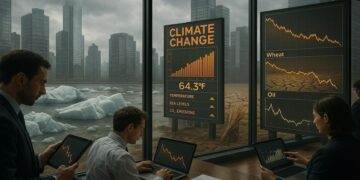
The Impact of Climate Change on Financial and Commodity Markets
Climate change significantly impacts financial and commodity markets, influencing investment strategies and regulatory frameworks. As weather variability increases and resources become scarce, stakeholders must adapt to risks while seizing opportunities in sustainable practices and green technologies. Understanding these dynamics is vital for navigating this evolving market landscape.

Stock Market Trends: The Role of Technology in Economic Recovery
The integration of technology is reshaping stock market trends and driving economic recovery. Innovations like data analytics, high-frequency trading, and robo-advisors enhance investment strategies and democratize access. As retail investors gain prominence, these tools foster liquidity, stability, and resilience in financial markets during challenging economic times.

Analysis of the Real Estate Sector: The Effect of Interest Rates on Housing Affordability
Interest rates significantly influence housing affordability in the real estate sector by affecting mortgage costs, buyer behavior, and market dynamics. Fluctuations in rates lead to variations in monthly payments, impacting demand and property values across different regions, ultimately shaping the purchasing landscape for homeowners and investors alike.
The Role of Cryptocurrencies in Investment Portfolio Diversification
The article explores how cryptocurrencies are becoming essential tools for investment portfolio diversification. Highlighting their potential for high returns, low correlation with traditional assets, and unique characteristics, it emphasizes the importance of informed strategies while recognizing the inherent risks involved in this evolving market.

The Implications of Monetary Policies on the Growth of Small Businesses
Understanding monetary policies is crucial for small business growth, as they influence interest rates, credit access, and consumer spending. By staying informed about these economic factors, small business owners can make strategic decisions that enhance resilience and capitalize on opportunities, ensuring long-term sustainability in a competitive landscape.
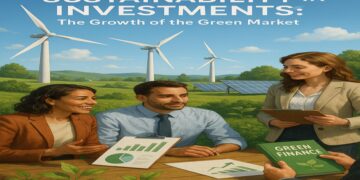
Analysis of Sustainability in Investments: The Growth of the Green Market
The investment landscape is increasingly shifting towards sustainability, driven by heightened awareness of environmental issues, regulatory support, and evidence of competitive returns. As investors prioritize environmental, social, and governance criteria, the green market is thriving, presenting significant opportunities for both societal impact and financial growth.

Analysis of the Growth of Fintechs and Its Effect on Financial Inclusion in the USA
The rise of fintech companies in the USA is revolutionizing financial access, enhancing financial inclusion for underserved communities. By leveraging technology, these firms offer cost-effective, personalized services, simplifying banking and investment processes. However, challenges like digital literacy and regulatory hurdles must be addressed to ensure widespread adoption and empower diverse populations.

The Impact of Inflation on Investment Decisions in 2023
Inflation significantly influences investment decisions in 2023, prompting investors to adopt strategies that safeguard purchasing power. Key approaches include focusing on inflation-hedged assets like real estate, commodities, and TIPS, while emphasizing diversification and sector rotation to navigate the challenges presented by rising prices and market volatility.

The Influence of Interest Rates on Consumption and Investment Decisions
Interest rates significantly impact consumption and investment decisions, influencing borrowing costs and consumer behavior. Higher rates often deter spending and delay business investments, while lower rates encourage economic growth. Understanding these dynamics helps individuals and businesses navigate financial choices, fostering resilience in changing economic conditions.

Trends in the Stock Market in a Volatile Economic Environment
The stock market's trends are heavily influenced by volatile economic conditions, shaped by factors like Federal Reserve policies, global events, and investor sentiment. Understanding these dynamics is essential for investors to adapt strategies, manage risks, and seize opportunities in today's fluctuating financial landscape.