
How to Use Personal Finance Apps to Improve Your Budget
Understanding Personal Finance Apps
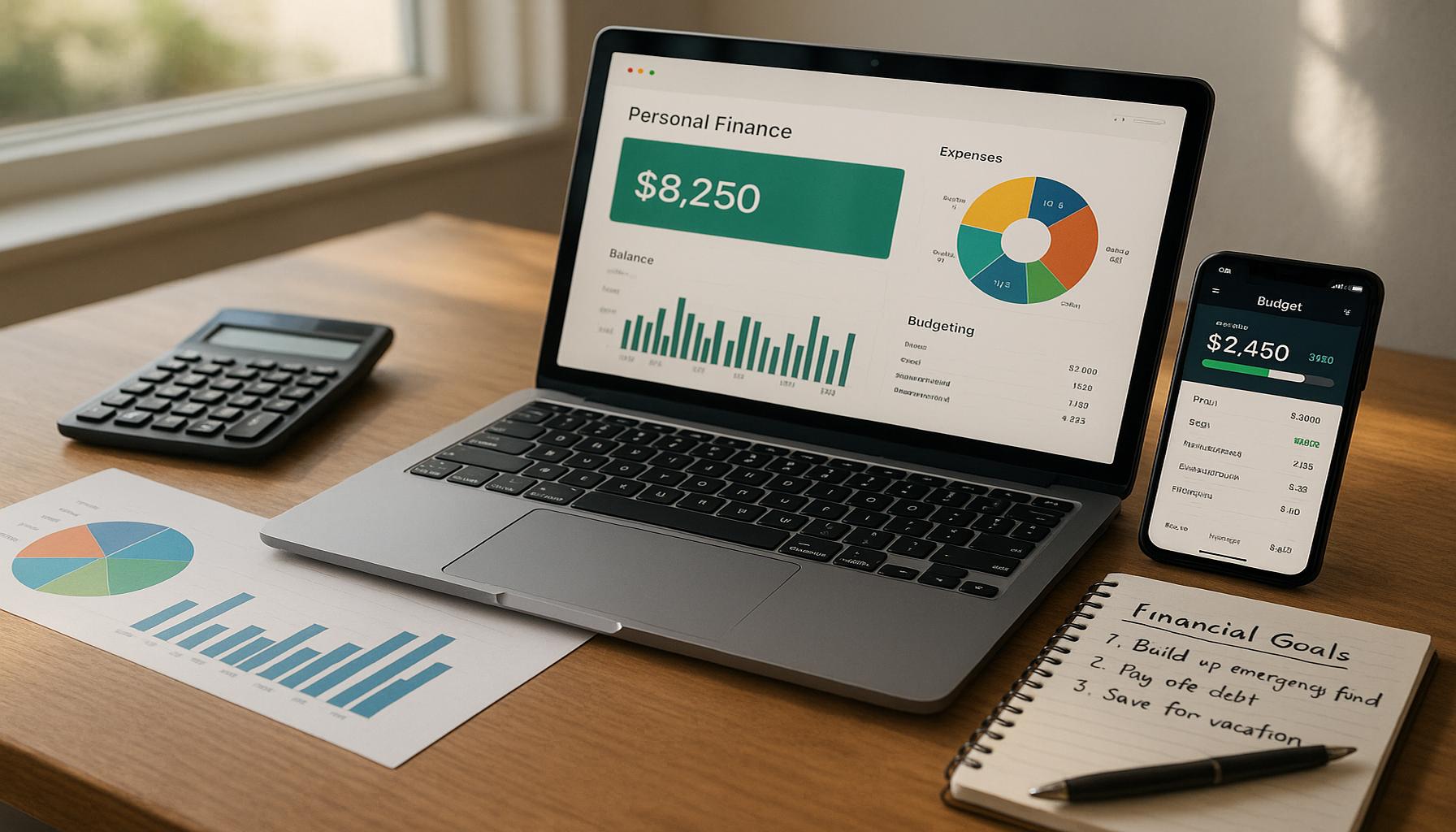
In today’s fast-paced world, managing your finances can feel overwhelming. Fortunately, personal finance apps are here to help simplify budgeting and track expenses. These tools can make a significant difference in how you manage your money, providing a structured approach to handling daily financial decisions.
Using a personal finance app offers several advantages, including:
- User-friendly interfaces: Most apps are designed to be intuitive, making it easy for anyone to start budgeting. With clear icons and simple navigation, even those who are not tech-savvy can quickly learn how to use them.
- Real-time tracking: You can monitor your spending instantly, allowing for quick adjustments when necessary. For example, seeing a notification after spending on a luxury item can prompt you to reconsider further expenditures that month.
- Goal setting features: Many apps enable you to set savings goals and provide reminders to keep you on track. If you aim to save for a vacation, the app can help you visualize that goal and encourage you to put aside a specific amount each week.
To make the most of these apps, it’s essential to understand their key features. Look for apps that offer:
- Expense categorization: Automatically sort your purchases into categories like groceries, entertainment, and utilities. For instance, being able to see how much you spend on dining out compared to groceries can help you make informed decisions about future spending.
- Budgeting tools: Create monthly budgets and receive alerts if you are nearing your limits. This can prevent overspending in particular categories, which is particularly useful during the holiday season or other budget-heavy times.
- Financial insights: Get personalized tips based on your spending patterns to help improve your budget further. An app might suggest reducing expenses in certain areas based on your habits, such as eating out less frequently.
By leveraging these features, you can take control of your finances and develop a budget that works for you. For example, if you notice that your entertainment expenses are consistently high, you can make a conscious effort to cut back or find more cost-effective alternatives. This could mean hosting a movie night at home instead of going to the theater or locating free community events in your area.
In the following sections, we will explore how to select the right app for your financial needs and maximize its potential to achieve your financial goals. Understanding what each app offers can empower you to choose one that aligns with your lifestyle, helping you navigate your financial journey with confidence.
DON’T MISS: Click here for essential tips on teaching your kids about money</
Getting Started with Personal Finance Apps
Once you have a clear understanding of the features offered by personal finance apps, the next step is to get started with their actual use. The process can seem daunting, but by breaking it down into manageable steps, you can effectively harness the power of these tools to refine your budgeting practices.
First, it’s essential to define your financial goals. Are you looking to save for a new car, pay off debt, or simply track your daily expenditures? By identifying your specific objectives, you can choose an app that aligns with your needs. Many personal finance apps offer features catered to different financial goals, whether you’re focused on saving, spending, or investing.
Here are some steps to consider when setting up your personal finance app:
- Choose the right app: Research various personal finance apps before deciding which one suits you best. Popular options like Mint, You Need a Budget (YNAB), and PocketGuard each offer unique features, and you might find that one aligns better with your preferences and financial style.
- Link your accounts: Most personal finance apps allow you to sync your bank accounts, credit cards, and other financial accounts. This connectivity enables the app to automatically track and categorize your transactions, saving you time and effort in data entry.
- Set your budget: Once your accounts are linked, you can create a budget based on your income and expenses. Start by analyzing your spending habits over the past few months. Look for categories where you consistently overspend and adjust your budget accordingly. For instance, if you notice a trend of exceeding your grocery budget, you might decide to allocate more funds to that category.
After you’ve established your accounts and budget, the next step is to monitor your spending regularly. This involves consistently checking the app for updates on where your money is going and ensuring you stay within your budget limits. For example, if you typically allocate $100 a month for dining out, tracking your expenses in real-time can help you see if you need to cut back for the remainder of the month after a few dinners out.
It’s also beneficial to take advantage of the insights provided by the app. Many apps offer visual representations of your spending habits, such as pie charts or bar graphs, which can help you quickly identify areas where changes may be needed. Use these insights to tweak your budget whenever necessary. If the app suggests that you’re spending too much on subscriptions, it could be an ideal time to reevaluate which services you actually use and potentially save some money.
As you become more familiar with the app and your financial situation, don’t hesitate to explore additional features it may offer. Some apps provide the option to set up savings goals or even give advice based on your spending patterns. Utilizing these tools can further enhance your financial journey and help you achieve your budgetary objectives more effectively.
In the next section, we will discuss how to assess your progress and make adjustments to your budget using the data collected by your personal finance app.
DISCOVER MORE: Click here to learn how to apply easily
Tracking Your Progress and Making Adjustments
Once you’ve started using a personal finance app, the next essential step is tracking your progress. This involves regularly checking in on your budget and spending habits, as well as adjusting your spending plans based on the data you gather. By actively engaging with your finances, you can ensure that you are on the right path towards reaching your financial goals.
Monitoring your budget can be done easily through the app’s dashboard. Most apps display an overview of your finances that includes your total income, expenses, and current balance. You should take the time to review your financial snapshots weekly or bi-weekly. This habit can help you catch any discrepancies early and prevent overspending.
Another valuable tool provided by many personal finance apps is the spending report. This report summarizes your transactions by category (such as groceries, transportation, dining, etc.) and can pinpoint where your money is going each month. For example, if the report shows that you’re spending a significant amount on entertainment, it could be a sign that you need to reassess your budget in that category. By identifying these trends, you can adjust your budget accordingly, perhaps reducing entertainment expenses to free up money for savings or necessary bills.
When you notice changes in your spending behavior or life circumstances—like starting a new job, moving, or experiencing a change in income—it’s essential to reassess your budget. Personal finance is not static; it’s often influenced by both predictable and unpredictable life events. For example, if you land a new job with a higher salary, you might want to increase your savings contributions or allocate additional funds to debt repayment. Similarly, if unexpected expenses arise, such as a medical bill or car repair, knowing how to adjust your budget can provide flexibility while keeping your goals in sight.
Don’t overlook the importance of goal-setting features found in many personal finance apps. These tools can help you create visual representations of your progress towards various financial objectives, like saving for a vacation or building an emergency fund. Engage with these features regularly. If you see a certain goal nearing completion, it might inspire you to increase your budgeting efforts further, allowing you to reach that milestone sooner.
Finally, many personal finance apps offer reminders and alerts based on your spending patterns. These notifications can inform you when you’re approaching budget limits in specific categories, providing timely nudges that may help you curtail excessive spending. For instance, if your grocery spending has spiked in a particular week, a reminder can prompt you to cut back on dining out and utilize pantry staples instead, keeping your overall budget in check.
Incorporating habit tracking into your financial routine is another way to benefit from personal finance apps. Many applications allow users to set up accountability measures, making it easier to stay committed to your financial goals. For example, you could set up a daily reminder to log your expenses or review your financial plan each weekend.
Through diligent monitoring and thoughtful adjustments, personal finance apps can significantly enhance your budgeting efforts, aligning your spending with your financial aspirations. As you grow more comfortable with your app, make sure to leverage the comprehensive insights and tools available to fine-tune your strategy for success.
DISCOVER MORE: Click here to learn how to create an effective budget
Conclusion
In today’s fast-paced world, effectively managing your finances is crucial, and personal finance apps can be an invaluable ally in this endeavor. By utilizing the features these apps offer—such as spending reports, goal-setting tools, and budget tracking—you can gain clear visibility into your financial landscape. Regular engagement with your financial data allows you to identify trends and make timely adjustments, ensuring your spending aligns with your financial goals.
Moreover, personal finance apps can support you in navigating life’s unpredictability. Whether you’re adjusting to a new job or managing unexpected expenses, these tools provide the flexibility and insights needed to stay on track. Remember that personal finance is an evolving journey, and being proactive about reassessing your budget will help you adapt to any changes that arise.
Finally, don’t underestimate the power of notifications and reminders. These simple nudges can reinforce positive spending habits and help you avoid pitfalls. With concerted effort and thoughtful use of your chosen app, you empower yourself to cultivate financial literacy and create a sustainable budget that meets your needs.
In summary, leveraging personal finance apps effectively can transform your budgeting process, making it more manageable and insightful. With determination and consistency, you can take charge of your finances and pave the way toward achieving your financial aspirations.
Related posts:
Financial Planning for Couples: Tips to Achieve Common Goals
The Impact of Financial Education on Youth: How to Prepare the Next Generation
Tips for Dealing with Financial Setbacks Without Compromising Your Stability
The benefits of automation in personal finance: how to simplify your financial management
How to Reduce Credit Card Debt: Effective Strategies for Americans
How to Deal with Debt: Effective Strategies to Settle Your Financial Obligations

Linda Carter is a writer and financial expert specializing in personal finance and financial planning. With extensive experience helping individuals achieve financial stability and make informed decisions, Linda shares her knowledge on the our platform. Her goal is to empower readers with practical advice and strategies for financial success.