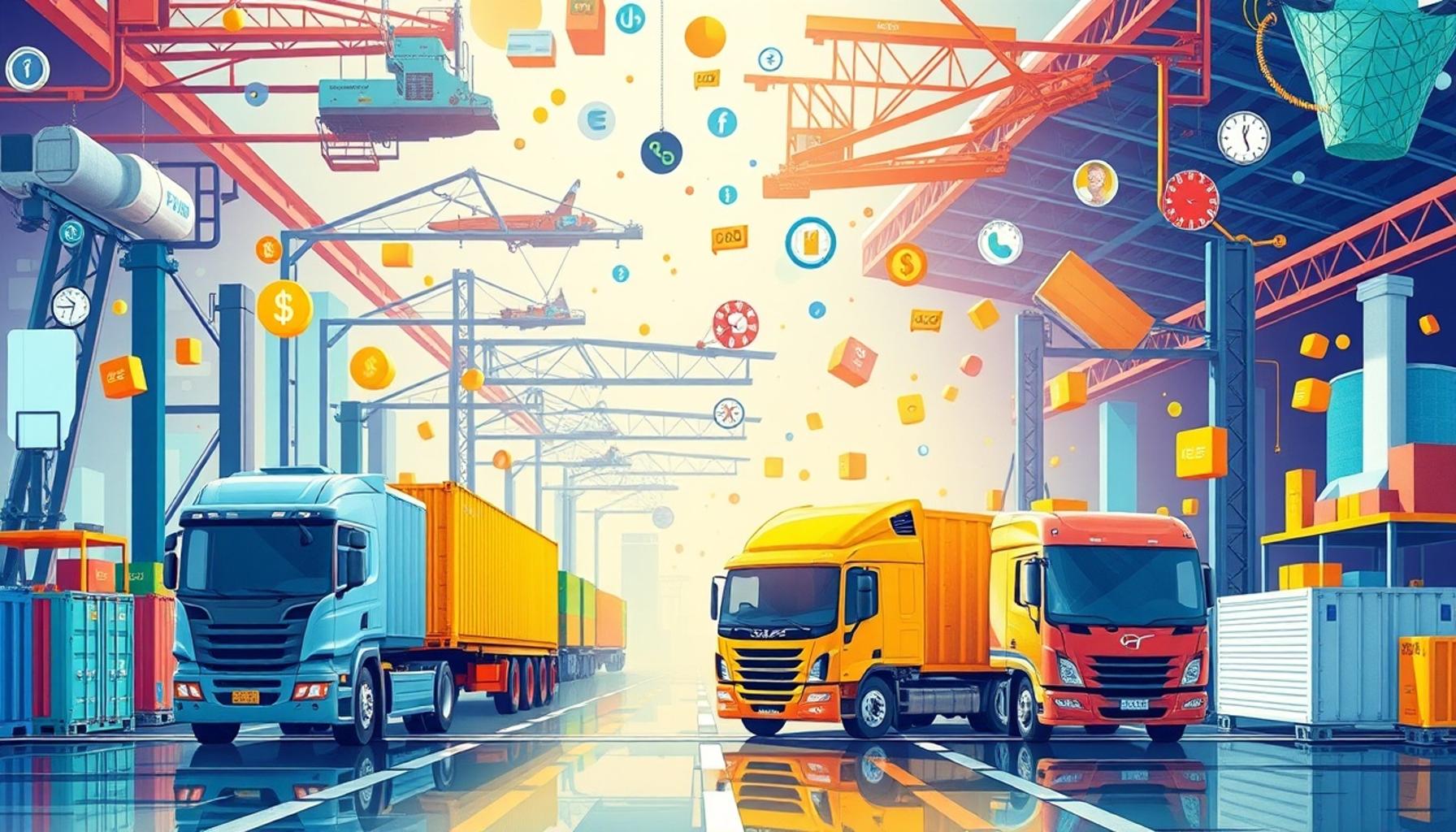
The impact of artificial intelligence on the growth of e-commerce

Understanding the Impact of AI on E-Commerce
In today’s digital shopping landscape, the integration of artificial intelligence (AI) is transforming how businesses engage with consumers. This technology offers a plethora of tools and applications that not only enhance operational efficiency but also significantly influence customer experiences. As e-commerce grows, it’s essential to recognize how AI solutions shape this industry.
Personalization
Personalization is one of the most vital ways AI is reshaping e-commerce. By analyzing user data, such as previous purchases, browsing history, and demographic information, AI systems can curate a shopping experience unique to each individual. For example, if a customer frequently purchases outdoor gear, AI can recommend the latest camping equipment or suggest related accessories. This targeted approach not only fosters customer satisfaction but also increases the likelihood of purchases, as shoppers feel that the store understands their preferences.
Chatbots
Another critical AI application is the use of chatbots. These virtual assistants are available around the clock to provide customer support, answer queries, and assist with transaction processes. For instance, during busy shopping seasons like Black Friday or Cyber Monday, chatbots can handle numerous customer inquiries simultaneously, reducing wait times and improving service efficiency. Companies like Sephora and H&M utilize chatbots to guide users in finding products or resolving issues, making the shopping experience smoother and more enjoyable.
Inventory Management
Inventory management is yet another area where AI demonstrates its prowess. Through advanced algorithms and data analysis, AI can predict product demand by examining trends, seasonality, and market fluctuations. For example, a clothing retailer may notice an uptick in demand for winter apparel as temperatures drop and adjust their stock accordingly. This proactive approach helps prevent overstock situations and reduces excess costs, ultimately benefiting the bottom line as businesses maintain optimal inventory levels.
The amalgamation of these AI-driven methods is creating a more streamlined and attractive shopping environment, encouraging increased sales and fostering customer loyalty. As a result, businesses that leverage AI technologies not only keep pace but outstrip competitors who fail to innovate. Understanding these dynamics is vital for entrepreneurs striving to thrive in a bustling e-commerce market.
In conclusion, as AI technology continues to evolve, its impact on e-commerce will only grow deeper. While businesses that embrace these advancements can enhance their operational frameworks and customer relations, consumers can also benefit from the personalized experiences and improved service quality these innovations offer.
DISCOVER MORE: Click here for essential investment strategies
Revolutionizing Customer Interactions
The integration of artificial intelligence in e-commerce not only streamlines operational processes but also rapidly transforms how retailers interact with their customers. As consumers expect more from their shopping experiences, particularly in a landscape crowded with options, businesses must find innovative ways to capture and sustain attention. AI provides several benefits that aid in this endeavor.
Enhanced Customer Insights
One of the most significant contributions of AI to e-commerce is its ability to deliver enhanced customer insights. By leveraging data analytics, companies can gain a comprehensive understanding of consumer behavior. This understanding extends beyond mere sales figures; it encompasses online behaviors, preferences, and shopping patterns. For instance, data from social media interactions can signify trending products, allowing retailers to adjust their marketing strategies in real-time to align with customer interests.
Take, for example, how a major online retail platform can analyze customer browsing history and social media activity. If certain products receive a spike in attention on platforms like Instagram, AI tools can highlight these trends. Consequently, retailers may choose to feature these items in promotional banners, ensuring they are at the forefront of customers’ minds. This proactive approach not only meets consumer expectations but also fosters brand loyalty, as customers appreciate the tailored experience.
Dynamic Pricing Strategies
Dynamic pricing is another innovative application of AI that helps e-commerce companies maximize revenue. This approach involves using algorithms to adjust prices based on various factors such as demand, competitor pricing, and customer behavior. By employing dynamic pricing, retailers can optimize their pricing models, ensuring they remain competitive while maximizing sales opportunities. For example, airline companies frequently use dynamic pricing to attract travelers by offering lower fares during off-peak times or adjusting prices based on seat availability.
In e-commerce, retailers can similarly implement this concept. Consider an online clothing store that analyzes the stock levels and seasonal trends to set fluctuating prices. When a specific jacket becomes popular during the colder months, the algorithm can automatically raise its price to reflect higher demand. Conversely, if inventory remains at a standstill, the AI can lower the price to encourage sales. This responsive pricing strategy not only helps companies manage their profit margins but also provides customers with perceived fairness in pricing.
Recommendations and Upselling
AI also plays a pivotal role in enhancing sales through personalized recommendations and upselling techniques. By utilizing machine learning algorithms, e-commerce platforms can analyze customer habits to suggest products that align with their interests and past purchases. Examples include:
- If a customer buys a smartphone, they might receive recommendations for compatible accessories such as cases, chargers, or headphones.
- If a user browses for a pair of shoes, the system might suggest matching clothing items or similar styles based on previous search results.
This ability to anticipate customer needs not only improves the shopping experience but also increases the average order value, which is crucial for e-commerce growth. For instance, when an online book retailer recommends related titles based on previous purchases, it nudges customers toward additional transactions.
Moreover, as businesses increasingly incorporate these AI-driven strategies, they find themselves not just reacting to market changes but proactively shaping consumer expectations. As a result, a new standard of personalized customer service emerges, prompting more consumers to engage with their brands and paving the way for sustainable growth in the e-commerce sector.
DIVE DEEPER: Click here for a comprehensive guide
Streamlining Supply Chain Management
Artificial intelligence is not only revolutionizing customer interactions; it is also making significant strides in optimizing supply chain management within the e-commerce landscape. The efficiency of a supply chain can greatly influence the overall customer experience, and AI tools are helping companies refine this crucial aspect of their operations.
Predictive Analytics for Inventory Management
One of the standout features of AI in supply chain management is the ability to leverage predictive analytics. By analyzing historical sales data, market trends, and seasonality, AI algorithms can forecast demand for specific products. This capability allows e-commerce businesses to maintain optimal inventory levels, thereby minimizing costs associated with overstocking or stockouts. For instance, a popular online furniture retailer can anticipate the surge in demand for patio furniture during the spring season and ensure that adequate stock is available, preventing potential sales loss due to unavailability.
Sadly, smaller businesses often lack the resources for sophisticated data analysis. However, AI-driven solutions have become more accessible. With platforms that offer predictive analytics tools at competitive prices, even small retailers can benefit from demand forecasting. This empowerment allows them to compete more effectively in the market, ensuring that they are not left behind in a landscape dominated by larger retailers.
Supply Chain Automation
Furthermore, AI facilitates automation across the supply chain, enhancing efficiency while reducing human error. Automated systems can perform tasks such as order processing, inventory tracking, and fulfillment without the need for constant human intervention. For instance, robotic systems can manage warehouses by sorting, packing, and shipping products swiftly and accurately. This automation not only reduces labor costs but also considerably speeds up operations, ultimately leading to faster delivery times for customers.
Consider an online grocery delivery service that utilizes AI-driven robots to pick orders from shelves automatically. The speed and accuracy with which these robots operate can help the company promise quicker delivery times, giving them a competitive edge against traditional grocery stores and other online retailers.
Improving Logistics with AI
Logistics, a critical component of e-commerce, also benefits from AI integration. AI technologies enable businesses to optimize their shipping routes and logistics operations. By analyzing factors such as traffic patterns, weather conditions, and package delivery schedules, AI can propose the most efficient paths for delivery drivers. Companies can reduce shipping times, cut transportation costs, and even lower their carbon footprint by embracing this technology.
An excellent example can be seen in delivery services that utilize AI to assess real-time traffic conditions. By rerouting drivers away from congested areas, the deliveries become faster and more efficient. As such, customers receive their packages promptly, which significantly enhances customer satisfaction and drives repeat purchases.
Enhancing Customer Support
AI also permeates customer support in e-commerce, utilizing chatbots and virtual assistants to provide quick and accurate responses to customer inquiries. These AI systems can resolve common questions, handle order tracking, and provide support 24/7. For example, if a customer has a query about their order status, they can simply ask an AI chatbot, which can instantly provide them with real-time updates without the need to speak with a human representative.
This immediate access to support and information not only enhances customer satisfaction but also frees up human customer service representatives to handle more complex issues. As a result, businesses can provide a more comprehensive support system while simultaneously benefiting from increased efficiency.
In summary, the infusion of AI into supply chain management and logistics is transforming how e-commerce companies operate. By improving inventory management, automating processes, enhancing logistics, and bolstering customer support, AI is helping e-commerce businesses thrive in a competitive marketplace. The emphasis on operational excellence driven by AI not only appeals to modern consumers but also sets the groundwork for future growth in the e-commerce sector.
DISCOVER MORE: Click here to find out about the challenges and opportunities for banks in the cryptocurrency world</p
Conclusion
In conclusion, the integration of artificial intelligence into e-commerce represents a significant leap forward in the industry’s ability to adapt to consumer demands and enhance operational efficiency. From streamlining supply chain management through predictive analytics to automating tedious tasks, AI empowers businesses to not only improve their service delivery but also to position themselves strategically in a highly competitive market. The advancement in logistics through AI technology ensures that products reach consumers faster and more reliably, resulting in an improved overall shopping experience.
Moreover, the advent of AI-powered customer support solutions has elevated the standard of service. With chatbots providing immediate assistance and freeing human agents to address complex queries, businesses can handle customer interactions more effectively than ever before. This ability to meet customer needs promptly and efficiently fosters loyalty and encourages repeat business, which is crucial for long-term growth.
Overall, AI’s impact on e-commerce is not just transformative but also essential for future success. As technology continues to evolve, businesses that embrace AI innovations will gain a competitive edge, driving both growth and sustainability in the ever-changing e-commerce landscape. For small retailers, access to advanced AI tools levels the playing field, making it possible for them to compete with larger players. Thus, understanding and harnessing the potential of AI will be vital for any e-commerce entity looking to thrive in the digital age.

Linda Carter
Linda Carter is a writer and expert known for producing clear, engaging, and easy-to-understand content. With solid experience guiding people in achieving their goals, she shares valuable insights and practical guidance. Her mission is to support readers in making informed choices and achieving significant progress.