
The Impact of Interest Rates on Credit Cards: How to Plan Your Usage
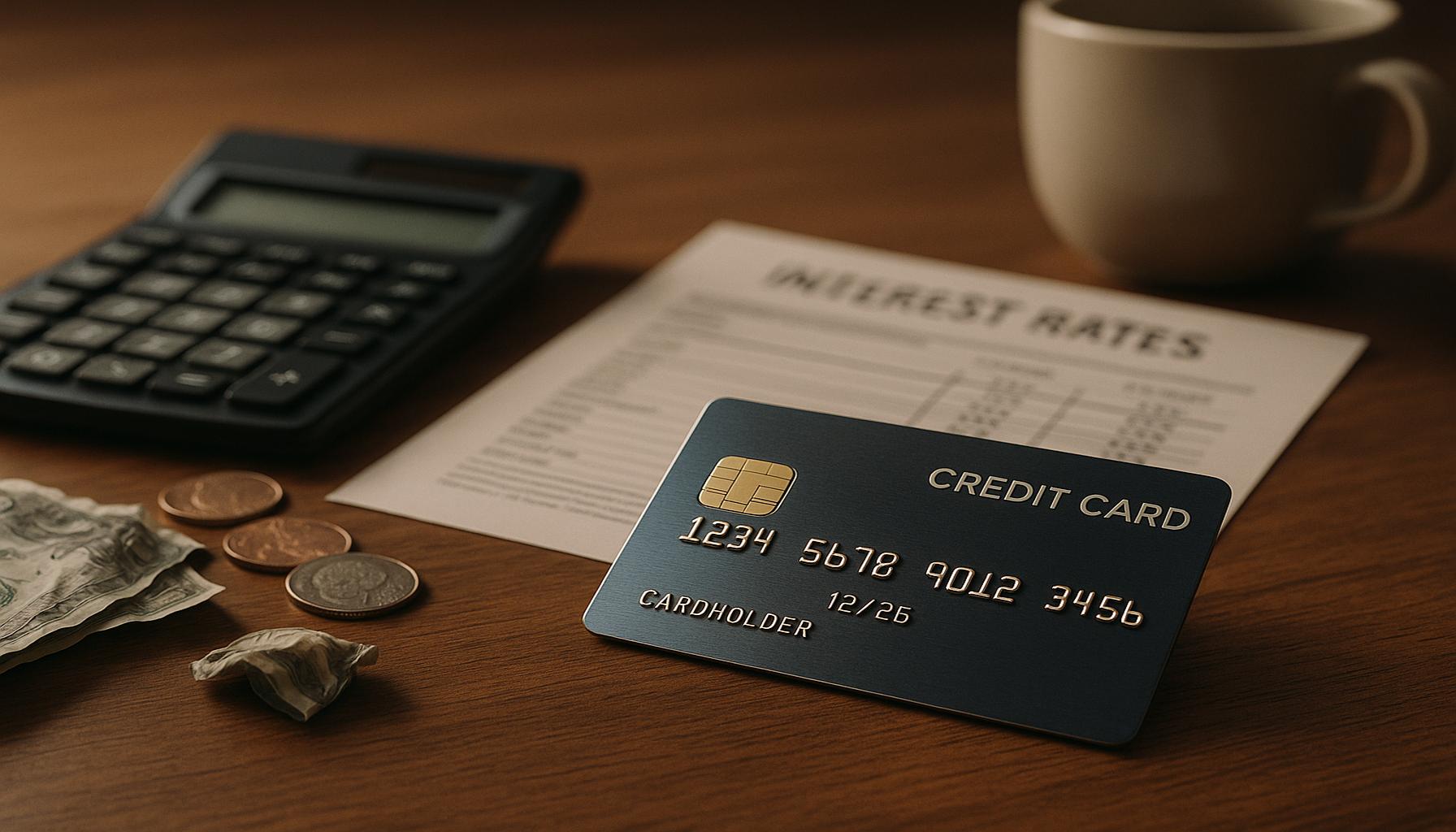
Understanding Interest Rates in Credit Card Usage
When you use a credit card, the interest rate plays a pivotal role in determining how much you will ultimately pay for your purchases. It is important to understand that interest rates are not just numbers; they can significantly affect your financial health and influence your spending behavior.
To navigate the credit landscape effectively, let’s explore some foundational concepts:
- Variable vs. Fixed Rates: Many credit card issuers offer variable interest rates that can change in response to economic indicators, such as the Federal Reserve’s adjustments to the federal funds rate. For example, if the economy is booming, rates might rise, increasing your cost of borrowing. In contrast, fixed rates remain stable, ensuring the same interest charge unless the issuer decides to change the terms.
- Annual Percentage Rate (APR): The APR represents the total yearly cost of borrowing expressed as a percentage. It’s essential to note that this can vary greatly by card type and your creditworthiness. For instance, a card with an APR of 20% means that if you carry a balance of $1,000, you would owe approximately $200 in interest annually if you don’t pay it off.
- Promotional Rates: Credit cards often entice new customers with promotional rates, such as 0% APR for a specified period. This can be a valuable tool for managing larger purchases or consolidating debt. However, it’s crucial to understand the terms, as the standard rate may apply once the promotional period ends, sometimes resulting in much higher charges.
By understanding these elements, you can formulate effective strategies to manage your credit card usage wisely. Here are some practical tips to keep in mind:
- Pay your balance in full each month to avoid accruing interest. Paying $250 on a $500 balance will save you from incurring unnecessary costs.
- Utilize low-interest cards for larger purchases to minimize the total interest paid. A card with a 12% APR is much more manageable than one with a 24% rate.
- Monitor your credit score, as it influences your APR. A higher score can secure you better rates, which translates to lower costs over time.
By providing yourself with this knowledge, you empower yourself to make smarter financial decisions and mitigate the potential pitfalls associated with credit card use. As we delve deeper into the relationship between interest rates and credit card utilization in the subsequent sections, you will be equipped with valuable tools tailored to navigating your personal finance journey successfully.
LEARN MORE: Click here for easy application tips
Understanding the Effects of Interest Rates on Credit Card Usage
When it comes to using credit cards, the impact of interest rates is something that cannot be overlooked. Understanding how these rates function can not only save you money but also shape your approach toward credit management. Interest rates directly influence the cost of borrowing, which can lead to significant expenses if not handled properly. Let’s take a closer look at the specific ways interest rates affect your credit card experience.
The Cost of Carrying a Balance
One of the primary considerations when dealing with credit cards is the cost of carrying a balance. If you are unable to pay off your full statement balance each month, interest will begin to accrue based on your card’s APR. The higher the interest rate, the more you will end up paying over time. For example, if you carry a balance of $1,000 on a card with an APR of 20%, you could accrue around $200 in interest over a year if you don’t make additional payments. This can quickly turn a manageable expense into a financial burden.
Effect on Monthly Payments
The interest rate not only affects how much you will pay in total but also alters your monthly payment amounts. If you’re making a modest payment towards your balance, a significant portion may go toward interest rather than reducing the actual principal. Therefore, understanding your interest rate allows you to set realistic monthly payment goals. Here are a few points to consider:
- Higher Interest Rates: With a card that has a higher APR, more of your payment will likely go towards interest than principal, prolonging the time it takes to pay off your balance.
- Lower Interest Rates: Conversely, a lower APR means that a larger portion of your payment can chip away at the actual balance, helping you pay off your debt more quickly.
- Minimum Payments: Always check what minimum payment is required on your card statement. Often this figure is just a small fraction of your total balance, which may not substantially reduce your debt over time.
The Role of Your Credit Score
Your credit score plays an influential role in determining the interest rate you receive on credit cards. Higher scores generally lead to better rates while lower scores could trap you in higher APRs. It’s wise to monitor your credit score regularly, as small improvements can sometimes qualify you for lower rates, thus saving you money in interest payments. For instance, a person with a credit score in the good range (700-749) might qualify for cards with APRs around 15%, while someone with a fair score (below 650) might be looking at rates closer to 25% or higher.
In summary, interest rates are more than just an inconvenience; they impact the total cost of your credit card use significantly. They affect how much you pay over time, how quickly you can pay off debt, and even what options are available to you in the credit market. By understanding these dynamics, you can make informed decisions about when and how to use your credit card, ultimately cultivating a healthier financial future.
DISCOVER MORE: Click here for a step-by-step guide on applying for an Oportun loan
Strategic Planning for Credit Card Usage Amidst Interest Rate Changes
To adeptly navigate the landscape of credit card usage, it is essential to actively strategize your financial decisions, especially in light of fluctuating interest rates. The ability to plan for these changes can make a significant difference in how effectively you manage debt and your overall financial health. Here are some critical strategies to consider that will help you make the most of your credit card, regardless of the interest rate environment.
Timing Your Purchases
Understanding when to use your credit card can help you minimize interest charges. If you know you will be making significant purchases, plan to do so when you can pay them off quickly. Ideally, this means charging only what you can afford to pay off in full during the upcoming billing cycle. For instance, if you anticipate a sudden price increase in a necessary item, purchasing it while you have the funds ready can prevent lingering debt and the costs associated with high-interest rates. By keeping your purchases timely and within your budget, you can keep your overall expenses in check.
Utilizing Introductory Rates
Many credit cards offer enticing introductory interest rates, typically lower than standard rates or even 0% for a certain period. This opens an excellent opportunity for consumers to maximize their borrowing power without incurring hefty interest charges upfront. If you anticipate a larger purchase that you cannot pay off immediately, consider applying for a card with a favorable introductory offer. Just remember to calculate whether you can pay off the balance before the introductory period ends. For example, if you spend $2,000 with a 0% APR for the first 12 months, ensuring you pay off the balance within that timeframe allows you to avoid interest charges entirely.
Understanding Variable vs. Fixed Rates
Another important aspect of credit card interest rates is knowing whether your card offers a variable or fixed rate. A fixed rate remains constant over time, while a variable rate can fluctuate based on broader economic conditions, often influenced by the Federal Reserve’s decisions. If your card has a variable rate, be prepared for potential increases in your financial liability when interest rates rise. In such cases, it’s wise to aim for quicker repayments on outstanding balances before your APR increases. On the flip side, if you have a fixed rate, you can plan your payments without the concern of sudden increases in your interest charges.
Negotiating Lower Rates
Most consumers are unaware that they may have the ability to negotiate their interest rates with credit card issuers. If you have a good payment history and a reasonably strong credit score, don’t hesitate to contact your card company and request a reduction in your APR. This can lead to substantial savings over time. For instance, lowering an APR from 20% to 15% on a $1,500 balance can save you approximately $75 in interest over a year. This proactive approach can be particularly beneficial if you notice that your credit score has improved since you first applied for the card.
By integrating these strategies into your credit card usage plan, you can not only mitigate the adverse effects of high interest rates but potentially turn your credit card into a valuable financial tool. With careful planning and strategic decisions, your credit card can work in your favor, aligning with your broader financial goals.
EXPLORE MORE: Click here to learn how to apply
Conclusion
In summary, effectively managing your credit card usage in the face of fluctuating interest rates requires a proactive and informed approach. By understanding the relationship between interest rates and credit cards, you can make strategic decisions that not only protect your financial health but also enhance your overall financial stability.
It is vital to engage in behaviors such as timely purchases. For example, consider major purchases during promotional periods when retailers may offer special financing options, allowing you to avoid excessive interest charges. Additionally, taking advantage of introductory rates offered by credit card companies can be an excellent strategy. Many cards come with zero percent APR for a limited time, which can significantly lighten the financial burden of a large expense if managed properly. Just be sure to pay off the balance before the introductory period ends, as interest rates can spike afterward.
Another critical factor to consider is understanding the differences between variable and fixed rates. A fixed rate maintains the same interest charge regardless of changes in the market, providing predictability in your payments. In contrast, a variable rate can fluctuate depending on the prime rate, which could lead to surprises in your monthly payments. Individuals with variable rates should keep abreast of market trends to anticipate changes that may affect their budget.
Moreover, don’t overlook the opportunity to negotiate lower rates with your credit card issuer. This proactive step can lead to significant savings. If you have a good payment history and a decent credit score, you can approach your issuer and request a rate reduction. A simple phone call could save you money in interest fees and help improve your credit utilization ratio, ultimately benefiting your credit score.
Remember, your credit card should be an empowering financial tool, not a source of stress or debt. By applying these strategies and maintaining a budget-conscious mindset, you can turn potential challenges posed by rising interest rates into manageable pathways for achieving your financial goals. Effective management includes routinely reviewing your credit statements, setting spending limits that align with your budget, and utilizing rewards programs that can offer cash back or travel benefits.
Ultimately, the more informed and strategic you are with your credit card usage, the more control you will have over your finances, leading to a more secure and prosperous future. Taking the time to understand these concepts will contribute towards not just surviving financially in a fluctuating interest environment but thriving as a financially aware individual.
Related posts:
Apply for HSBC Premier World Mastercard Credit Card Simple Steps
How to Apply for the Preferred Cash Rewards Visa Signature Credit Card
How to Apply for Emirates Skywards Premium World Elite Mastercard Credit Card
How to Apply for the US Bank Cash Visa Signature Card Today
How to Apply for Secured Chime Credit Builder Visa Credit Card Today
Credit Cards for Travel: How to Choose the Best to Maximize Your Benefits

Linda Carter is a writer and financial expert specializing in personal finance and financial planning. With extensive experience helping individuals achieve financial stability and make informed decisions, Linda shares her knowledge on the our platform. Her goal is to empower readers with practical advice and strategies for financial success.