
The Pros and Cons of Credit Cards: How to Make the Right Choice
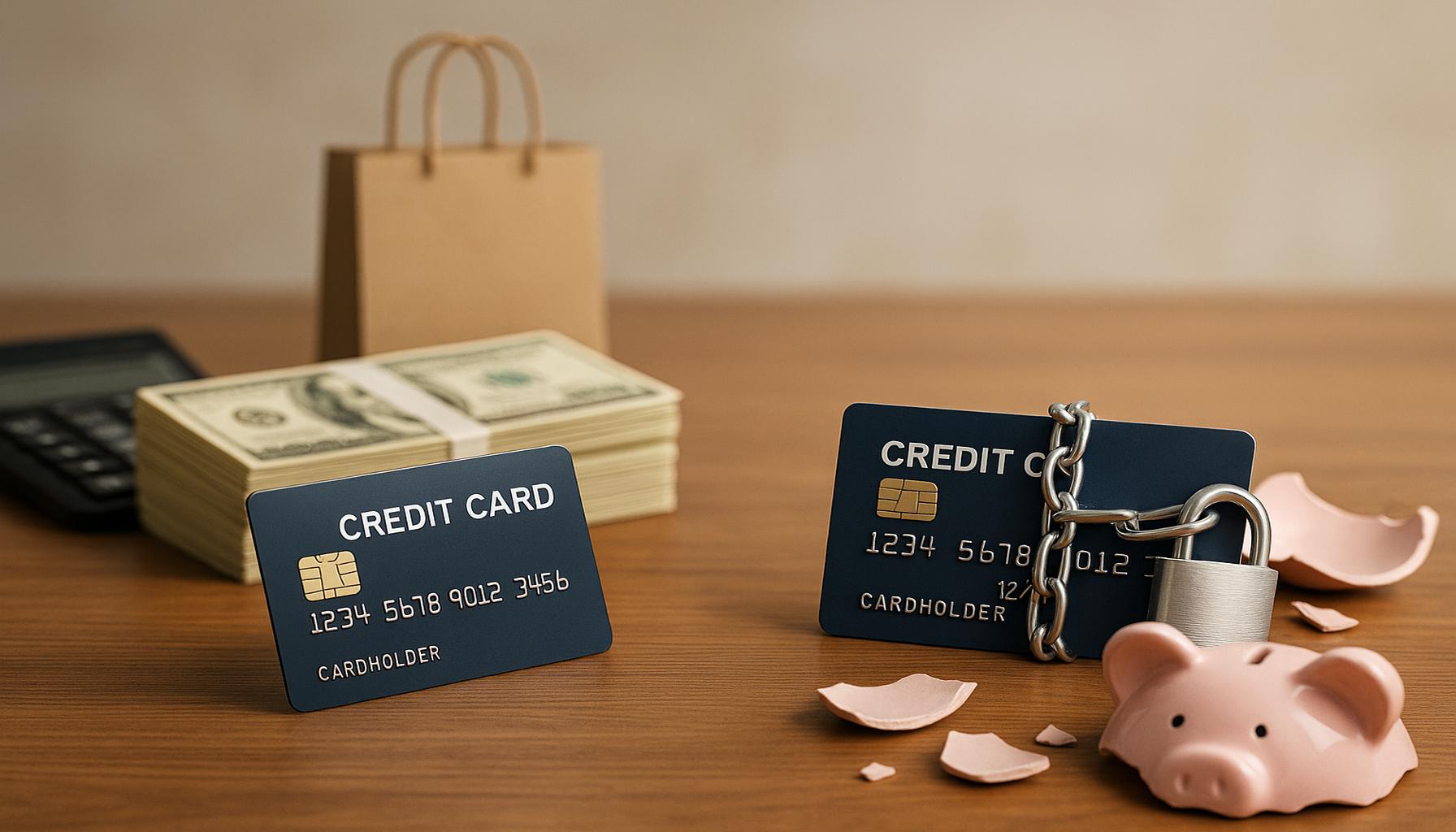
Understanding the Role of Credit Cards in Personal Finance
Credit cards are increasingly becoming a fundamental part of financial management for many individuals. They offer unique advantages that can enhance your purchasing power and even improve your financial standing. However, these benefits come with a set of challenges that require careful consideration.
Pros of Using Credit Cards
- Building Credit Score: One of the most significant benefits of using a credit card responsibly is the opportunity to build your credit score. Credit scores are pivotal for securing loans or mortgages in the future. For example, making timely payments on your credit card can improve your score by demonstrating creditworthiness. This score can make a substantial difference when applying for a car loan, as higher scores usually yield better interest rates.
- Rewards and Cash Back: Many credit cards offer rewards programs that provide incentives for spending. This could be in the form of travel miles, points redeemable for merchandise, or cash back on purchases. For instance, a credit card that offers 2% cash back on groceries can effectively reduce your overall grocery bill if you consistently use it for those purchases. Over time, these rewards accumulate, making your spending more fruitful.
- Emergency Funds: In times of financial distress, a credit card can serve as a temporary financial buffer. For instance, if your car breaks down unexpectedly and you need urgent repairs, having a credit card allows you to cover those costs immediately, even if you are low on cash. However, it’s important to pay off the balance quickly to avoid high interest charges.
Cons of Using Credit Cards
- High Interest Rates: One of the major drawbacks of credit cards is the potential for high interest rates. If you carry a balance from month to month, the interest can compound rapidly, leading to significant debt. For example, if you spend $1,000 on a credit card with a 20% annual interest rate and only make the minimum payments, you could end up paying several hundred dollars just in interest, alongside the original balance.
- Debt Accumulation: Mismanagement of credit can lead to overwhelming debt situations. Many individuals fall into the trap of spending beyond their means, leading to accumulating debt that can become unmanageable. It’s crucial to stick to a budget and only spend what you can afford to pay off each month.
- Fees: Some credit cards come with annual fees, which can eat into your rewards. Additionally, foreign transaction fees can apply when using your card abroad, which can make international travel more expensive. Always read the fine print before signing up for a credit card to fully understand what costs may be involved.
Understanding these pros and cons is vital for anyone looking to utilize credit cards effectively. By approaching credit with a strategic mindset and being aware of both its benefits and pitfalls, you can ensure that these financial tools enhance rather than hinder your financial health. With the right knowledge, managing credit cards can be a powerful resource in achieving your financial goals.
This article will further explore the process of selecting the correct credit card tailored to your lifestyle and financial needs. By equipping yourself with the right tools and understanding, you can navigate the complex landscape of credit cards confidently.
DISCOVER MORE: Click here for a step-by-step guide
Evaluating Your Credit Card Options
When it comes to selecting the best credit card for your needs, it is essential to consider not only the advantages but also the potential drawbacks that come with using credit. Making an informed choice can significantly impact your financial journey. Below, we explore key factors to help you weigh your options effectively.
Choosing the Right Type of Credit Card
Understanding the various types of credit cards available can help you determine which aligns best with your financial habits and lifestyle. Here are some common types:
- Rewards Credit Cards: These cards are ideal for individuals who frequently make purchases in specific categories, like travel or dining. They reward you with points or miles for every dollar spent, which can be redeemed for flights, hotels, or merchandise. If you frequently travel, consider a card that offers complimentary travel insurance or no foreign transaction fees to enhance your overall experience.
- Cash Back Credit Cards: If you prefer straightforward benefits, cash back cards might be ideal. These cards typically offer a percentage of your spending back in cash, often with higher percentages available for certain categories. For example, a cash back card could offer 5% back on groceries and 1% on all other purchases, which can lead to significant savings over time.
- Secured Credit Cards: For those looking to build or rebuild their credit, secured credit cards require a cash deposit as collateral. This option is typically easier to obtain and can be a stepping stone for improving your credit score. It’s essential to ensure that the card reports to the major credit bureaus to build your credit history effectively.
- Low-Interest Credit Cards: If you anticipate carrying a balance from month to month, consider cards that offer lower interest rates. These interest rates can still vary widely, so it’s crucial to compare different offers and read the fine print to understand projected costs if a balance is maintained.
Consider Additional Factors
Beyond the type of credit card you choose, several other factors deserve your attention:
- Annual Fees: Some cards come with annual fees that can diminish the benefits you receive. Evaluate whether the rewards or cash back you earn outweighs this cost. If the card has a fee, examine your spending habits to determine if you’ll earn enough rewards to justify the expense.
- Introductory Offers: Many credit cards feature enticing introductory offers, such as bonus points or zero-interest periods for the first few months. While these promotions can be attractive, it’s crucial to assess the card’s standard terms after the promotional period ends to avoid any unwelcome surprises.
- Credit Limits: Consider the credit limit offered with the card, especially if you plan on making larger purchases. A higher credit limit affords more flexibility, but it can also encourage overspending if not managed wisely.
By taking the time to evaluate these factors, you’re setting the stage for smart credit card use that can bolster your financial health. Being strategic about your credit card choices allows you to harness their benefits while steering clear of common pitfalls.
DISCOVER MORE: Click here to learn how to apply
Understanding the Risks of Credit Card Use
While credit cards can be powerful financial tools, they also come with inherent risks that require careful consideration. By understanding the potential downsides, you can take proactive measures to mitigate these risks and make the most of your credit card experience.
The Danger of Overspending
One of the most significant risks associated with credit card usage is overspending. The convenience of plastic money can make it easy to lose track of how much you’re spending, especially when making online purchases or shopping without the physical sensation of handing over cash. To counteract this risk, it’s important to establish a budget and regularly monitor your spending. Utilizing budgeting apps or even setting up spending alerts can help you stay within your means.
High Interest Rates and Debt Accumulation
Another concern is the potential for high interest rates, particularly if you carry a balance on your credit card. Credit card interest rates can significantly increase the total amount you owe. For those carrying an outstanding balance, even a seemingly low interest rate can lead to substantial costs over time. As an example, if you have a $1,000 balance with a 20% annual interest rate, and you only make minimal monthly payments, your debt could take years to pay off while accruing interest. To avoid this situation, always aim to pay your balance in full each month to prevent interest charges.
Impact on Credit Score
Your credit score can be negatively impacted by credit card mismanagement. High credit utilization—defined as the ratio of your current credit balances to your total credit limits—can signal risk to lenders and lead to lower credit scores. Additionally, late payments can cause significant drops in your score. It’s essential to set reminders for payment due dates or to consider automating payments for minimum amounts to avoid late fees and protect your credit health.
Fees and Hidden Costs
Credit cards can also come with a variety of fees and hidden costs that may not be immediately apparent. Aside from annual fees, cardholders should be aware of late payment fees, foreign transaction fees, and additional charges for cash advances. These costs can add up quickly and erode the benefits of using a credit card. Always read the terms and conditions of your credit card agreement thoroughly to understand all potential costs associated with your card.
Risk of Identity Theft
Lastly, using a credit card can expose you to the risk of identity theft. While most credit cards come with fraud protection, unauthorized charges can still occur. It’s crucial to regularly review your statements for any unfamiliar charges and report them immediately. Being vigilant with your card usage and utilizing security features, such as two-factor authentication or virtual card numbers for online shopping, can further protect your personal information.
By being aware of these risks and taking proactive measures to manage them effectively, you can leverage the benefits of credit cards while minimizing the drawbacks. A balanced approach is key to ensuring that your credit card works for your financial advantage rather than against it.
DISCOVER MORE: Click here for details on the US Bank Cash Visa Signature Card
Conclusion
In summary, credit cards offer both advantages and disadvantages that must be carefully weighed when deciding whether to use them. On one hand, they can provide convenient access to funds, help build credit scores, and offer rewards and benefits that enhance your spending power. However, if mismanaged, they can lead to overspending, high-interest debt, and fees that quickly offset these benefits.
It is crucial to approach credit card usage with a strategic mindset. Establish a well-defined budget to keep your spending in check, and make it a priority to pay your balance in full each month to avoid accruing interest. Regularly monitoring your credit utilization and payment history can further safeguard your credit score. Additionally, always be mindful of potential hidden fees and the risks of identity theft, leveraging security measures to protect your finances.
Ultimately, the right choice concerning credit cards depends on your individual financial circumstances and habits. By making informed decisions and adopting responsible credit practices, you can harness the benefits of credit cards while minimizing their drawbacks. Strive for a balanced approach that empowers your financial journey and aligns with your long-term goals. With the right strategy, credit cards can be a valuable asset in your financial toolkit.
Related posts:
How to Apply for USAA Advantage Credit Card A Step-by-Step Guide
How to Maximize Rewards and Benefits with Credit Cards without Getting into Debt
How to Apply for Secured Chime Credit Builder Visa Credit Card Today
The Impact of Interest Rates on Credit Cards: How to Plan Your Usage
The Impacts of Interest Rates on Credit Cards and How to Avoid Them
How to Apply for the Ally Platinum Mastercard Credit Card Easily

Linda Carter is a writer and financial expert specializing in personal finance and financial planning. With extensive experience helping individuals achieve financial stability and make informed decisions, Linda shares her knowledge on the our platform. Her goal is to empower readers with practical advice and strategies for financial success.