
The Pros and Cons of Using Credit Cards for Building Credit in the U.S.
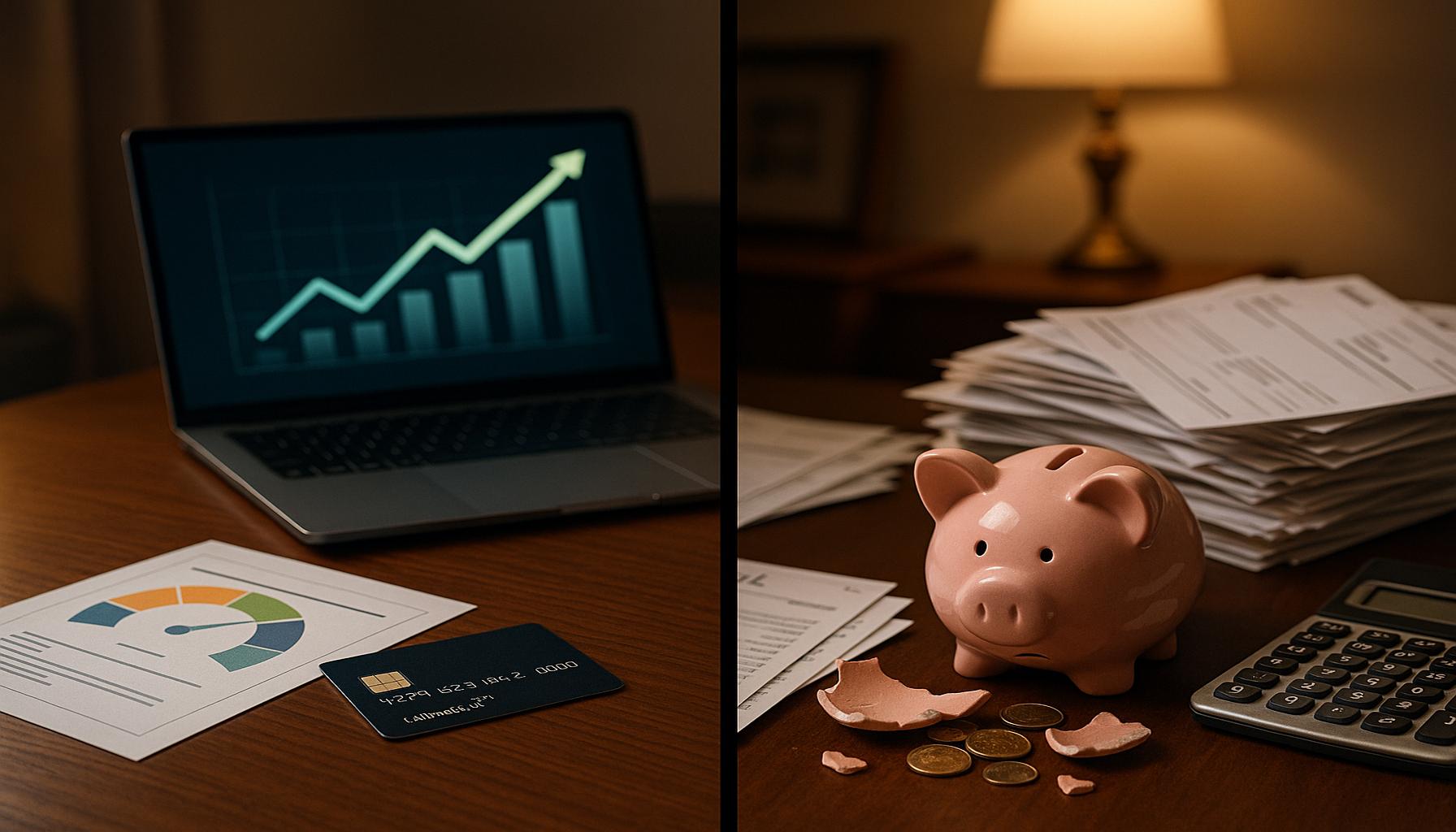
The Importance of Understanding Credit Cards for Building Credit
Credit cards are not just a common method of payment; they are also pivotal in shaping individual financial profiles in the U.S. When approached wisely, they can be a powerful asset for establishing and enhancing your credit history. This is crucial for anyone looking to make significant financial decisions in the future, such as applying for a mortgage or securing loans with favorable rates.
Let’s begin with the *pros* associated with using credit cards.
- Convenience: The ability to swipe a card instead of fumbling for cash or writing checks makes everyday transactions much smoother. For instance, paying for gas, groceries, or online purchases can be done swiftly with a credit card, allowing for easier budgeting and management of expenses.
- Rewards and Benefits: Many credit cards come with enticing reward programs that offer points for every dollar spent, which can be redeemed for travel, cash back, or even discounts at popular retailers. For example, a traveler might choose a card that provides double points on travel-related expenses, effectively saving money on future trips.
- Establishing a Credit History: Regular, responsible use of a credit card allows consumers to build a solid credit profile over time. This can significantly enhance your credit score, making it easier to borrow money at competitive interest rates in the future. For example, consistently paying your bill on time can lead to an improved credit score, reflecting your reliability as a borrower.
However, there are also notable *cons* that potential credit card users must consider.
- High-Interest Rates: If you do not pay off your balance in full each month, you risk incurring steep interest charges. This can quickly prevent any potential rewards from being worthwhile, as the cost of interest may surpass the benefits you earn.
- Risk of Debt: The convenience of credit can sometimes lead to overspending. It is often too easy to swipe a card without considering the implications, which can result in accumulating more debt than one can manage. For instance, someone might rack up credit card charges for dining out frequently, only to find themselves struggling to make payments at the end of the month.
- Impact on Credit Score: Your credit score can suffer significantly from missed or late payments on credit card bills. This can have long-lasting effects, making it more challenging to open bank accounts or apply for other lines of credit when needed.
As you explore your financial journey, weighing these pros and cons becomes essential. A credit card, when used with discipline and awareness, can facilitate the construction of a robust financial foundation. Make informed decisions that align with your financial goals, ensuring that you not only build credit but do so without falling into the common traps associated with credit card usage.
LEARN MORE: Click here for more information
Evaluating the Pros of Using Credit Cards
When managed carefully, credit cards can be an invaluable tool for building credit. Let’s delve deeper into some specific advantages that come with using credit cards responsibly.
- Convenience: Credit cards provide an effortless way to handle daily transactions. Instead of carrying cash or dealing with checks, consumers can simply swipe their credit card. This ease of access is particularly beneficial in today’s fast-paced world, where many grocery stores, gas stations, and online retailers prefer card transactions. For example, a quick visit to a coffee shop can become more efficient when you simply tap your card, allowing you to keep track of your spending easily with your monthly statements.
- Rewards and Benefits: The competitive credit card market means that many providers offer rewarding incentive programs to entice consumers. These benefits can include cashback on daily purchases, travel points, or discounts at popular shops. Consider the case of a frequent flyer who uses a travel rewards card; by making their regular purchases on this card, they can accumulate points that lead to free flights or hotel stays, turning everyday spending into opportunities for savings.
- Establishing a Credit History: Establishing a credit history is vital for achieving favorable loan terms in the future. When you use a credit card wisely—by making small, regular purchases and paying them off on time—you are actively working to build your credit profile. For example, if you consistently pay off a modest monthly balance, your credit score might reflect your reliability as a borrower, paving the way for better interest rates on home mortgages or vehicle loans.
While the advantages of credit cards are compelling, it’s crucial to also recognize the potential downsides associated with their use. Let’s examine these cons to ensure you take a well-rounded approach to managing your credit.
Understanding the Cons of Credit Card Usage
Despite their perks, credit cards come with significant risks that can undermine your financial health if not navigated carefully. Here are a few notable drawbacks to keep in mind.
- High-Interest Rates: Many credit cards charge interest rates that can be excessively high, often ranging from 15% to over 25%. If you carry a balance beyond the grace period, the interest can accumulate quickly, making it difficult to pay off your debt. Imagine having a $1,000 balance; if your card has a 20% annual interest rate and you only make a minimum payment, you could end up paying far more in interest than the original purchase amount.
- Risk of Debt: The ease of using credit cards can lead to overspending, particularly if individuals treat their credit limits as available funds rather than borrowed money. It’s all too common for someone to indulge in dining out or shopping sprees without considering their payment ability. For instance, accumulating charges for frequent nights out may lead to difficulty covering those expenses when the bill comes due, thus trapping the user in a cycle of debt.
- Impact on Credit Score: A credit card can significantly affect your credit score, both positively and negatively. Late or missed payments can cause your score to plummet, increasing your perceived risk as a borrower. This could hinder your chances of securing favorable loan offers in the future. For example, a single missed payment can stay on your credit report for up to seven years, affecting your financial opportunities long after the fact.
Understanding the pros and cons of using credit cards is essential in making informed decisions that contribute to your financial health. A balanced approach, grounded in awareness and responsibility, can allow you to leverage the benefits of credit cards while avoiding common pitfalls.
DISCOVER MORE: Click here to learn how to apply easily
Exploring Additional Considerations When Using Credit Cards
While understanding the pros and cons of credit cards is essential, it’s also crucial to consider other factors that can influence your credit-building journey. Let’s take a closer look at some additional aspects of credit card use in the U.S.
- Credit Utilization Ratio: One of the major components of your credit score is known as the credit utilization ratio, which reflects how much of your available credit you are using. Financial experts recommend keeping this ratio below 30%. For example, if you have a credit limit of $1,000, it would be wise to keep your balance below $300. Exceeding this limit can negatively impact your credit score, signaling to lenders that you might be over-reliant on credit and increasing your risk profile.
- Building Diverse Credit: Relying solely on credit cards may not provide the variety needed to build a robust credit profile. Having different types of credit accounts—like a mix of revolving credit (credit cards) and installment loans (like auto loans or student loans)—could enhance your credit score. For instance, if you take out a modest student loan and also hold a credit card, managing both with punctual payments can demonstrate your creditworthiness to potential lenders, showcasing your ability to handle various forms of credit responsibly.
- Fees and Charges: Credit cards can come with hidden fees that might eat into your financial health. Annual fees, late payment penalties, and foreign transaction fees can add up quickly. It’s essential to scrutinize the terms and conditions of any credit card before acquiring one. Consider choosing a no-annual-fee card if you don’t expect to use your credit card frequently; this way, you can still benefit from building credit without incurring unnecessary charges for inactivity.
- Credit Card Fraud Protection: On a positive note, many credit cards offer fraud protection, which can keep your finances secure. If someone gains unauthorized access to your card, you are often not held responsible for the fraudulent charges, provided you report the incident promptly. This feature can offer peace of mind and encourage users to take advantage of credit cards without the same level of concern associated with cash transactions.
- Credit Card Fraud and Identity Theft: However, while fraud protection is beneficial, it’s essential to remain vigilant. Credit card data is a common target for cyber thieves. Being thoughtless with your card number—sharing it carelessly or entering it on unsecured websites—can expose you to fraud and identity theft. Be sure to monitor your bank statements regularly and set up alerts for unusual activity to keep your credit profile protected.
These additional considerations, when combined with a balanced view of the pros and cons, are vital for anyone looking to build and manage their credit through credit card usage effectively. Understanding the nuances of credit card management can empower you to navigate the complexities of credit while making informed decisions that benefit your financial future.
DISCOVER MORE: Click here for essential stock investment tips
Conclusion: Navigating the Credit Card Landscape
In conclusion, using credit cards can be a powerful tool for building credit in the U.S., but it comes with its own set of challenges and responsibilities. On the one hand, managing a credit card wisely can help boost your credit score through timely payments, a lower credit utilization ratio, and the development of a diverse credit portfolio. This positive behavior demonstrates to lenders your ability to handle credit responsibly, which can open doors to better loan terms and interest rates in the future.
However, it is crucial to be mindful of the potential downsides. High fees, the risk of overspending, and the temptation to accumulate debt can quickly derail your credit-building efforts. The importance of understanding fees and charges, monitoring your accounts for potential fraud, and maintaining a healthy balance is imperative for your financial well-being.
Ultimately, the key to successfully using credit cards lies in developing a strong sense of financial discipline. By educating yourself about the nuances of credit management and making informed choices, you can leverage credit cards to not only build your credit but also ensure a more secure financial future. Remember, the responsibility lies in your hands; navigate this financial landscape thoughtfully, and you’ll reap the rewards of a strong credit history.
Related posts:
How to Apply for the Bank of America Premium Rewards Elite Credit Card
How to Maximize Rewards and Benefits with Credit Cards without Getting into Debt
How to Apply for an American Express Blue Cash Everyday Credit Card
Common Mistakes When Using Credit Cards and How to Avoid Them
How to Apply for Secured Chime Credit Builder Visa Credit Card Today
How to Apply for the Preferred Cash Rewards Visa Signature Credit Card

Linda Carter is a writer and financial expert specializing in personal finance and financial planning. With extensive experience helping individuals achieve financial stability and make informed decisions, Linda shares her knowledge on the our platform. Her goal is to empower readers with practical advice and strategies for financial success.